By Billy Janse van Rensburg — Invicta Property Development · Published 2026-07-14 · Updated 2026-10-01
Around eleven million South Africans save through stokvels, moving roughly R50 billion a year — and property is where the ambitious groups are pointing next. If your group is asking whether the machine that buys December groceries can buy townhouses, this is the full answer: how property stokvels work, named groups with real monthly contributions, the governance checklist, the documented failure risk, and what five members pooling money could actually buy in 2026. I develop and sell townhouses in Montana, so weigh my interest; my own development only enters the story once the honest work is done.
What a property stokvel is, in one paragraph
A property stokvel is an ordinary stokvel with a heavier target. Members pay a fixed amount every month under written rules, a committee answers to the meeting, and instead of the pot paying out for groceries or funerals, the money goes toward property: rotating lump-sum payouts that fund one member's deposit at a time, or joint cash purchases of rental units the group owns together. The trust mechanics are identical to the stokvel your mother belonged to; only the destination changes, from trolleys to title deeds.
The scale is worth pausing on. NASASA, the National Stokvel Association of South Africa, is the source most figures trace back to: roughly 11.4 to 11.6 million members, somewhere between 800,000 and a million groups, and around R49 to R50 billion mobilised a year. Old Mutual's Savings and Investment Monitor tracked the share of households holding stokvels rising from 51% to 53%, against the grain of a tough savings decade, and one study of low-income households found 52.3% of stokvel members are women; hold that figure, because it returns at the end. Stokvels are the largest voluntary savings machine in the country. The open question is whether that machine can safely carry something as heavy, and as illiquid, as property.
The real models, with real monthly numbers
Named groups beat theory, so here are three with real numbers attached.
The EDPF Property Stokvel runs on contributions of around R1,000 a month, an entry level an ordinary salary can sustain for years. PSIC, the Property Stokvel Investment Club, phases its members instead: phase 1 sits at about R2,100 a month, and phase 2 climbs to about R15,000 a month for members committed to its cash-purchase model, which buys property outright with no bond at all. Sakhisizwe Property Stokvel, profiled by Nedbank, is the bank-adjacent version: a group formal enough for a major bank to present as a case study.
Underneath the names, almost every property stokvel is one of three models. Deposit stokvels rotate the pot so each member in turn receives a lump sum toward a home in their own name. Ownership stokvels buy jointly, usually for rental income, with the group or a company it forms holding the asset. Hybrid clubs bank and escalate contributions, PSIC-style, until a cash purchase is possible. Before you compare contribution amounts, ask the model question first: whose name ends up on the title deed? Every risk in the next two sections flows from that answer.
The governance checklist before you hand over a cent
Trust is the product a stokvel sells its own members, so test it the way a bank would test a borrower.
Start with affiliation: NASASA affiliation is the recognised trust marker in this world, and a group that has accepted that outside scrutiny has already told you something. Then ask for the constitution, in writing, before any money moves. It must answer the awkward questions in advance: the exact monthly amount, what happens when a member misses a month, how a member exits, what happens when a member dies, and how the group values a departing member's share of a property nobody intends to sell.
Then the books. The account must be in the group's name with at least two signatories, statements tabled at every meeting, and some independent oversight, whether an external accountant or a member with no signing power doing the reconciliation. Transparent books are not a courtesy; they are the whole defence.
Exit rules deserve their own paragraph, because property rewrites them. A grocery stokvel can pay a leaver out in December. A stokvel that owns five townhouses cannot, unless it sells one or holds cash reserves, and forced sales are where good groups go to die. If the constitution cannot explain, in rands and months, how you would get your money out, you have not found an investment; you have made a donation.
The risk nobody puts on the flyer
There is an academic study of stokvel failure with a title that needs no translation: 'Oh no! All my money is gone'. It documents how groups actually collapse: funds quietly diverted by the people trusted to hold them, members sliding into over-indebtedness to keep up contributions, and group pressure that keeps people paying into a pot they privately stopped trusting months ago.
I raise it with respect, because failure is the exception. Millions of members keep their commitments year after year on social trust alone, and the payment discipline inside a good stokvel would embarrass many banks. But property raises the stakes on every axis: the amounts run to six and seven figures, the money is locked in bricks rather than a December payout, and a dispute cannot be settled by splitting the pot.
So treat the previous section as non-negotiable, and add my one personal rule: never join a group whose books you have not personally seen, however warm the invitation. The 'all my money is gone' interviews are full of people who trusted the person instead of the paperwork.
What five members pooling could actually buy
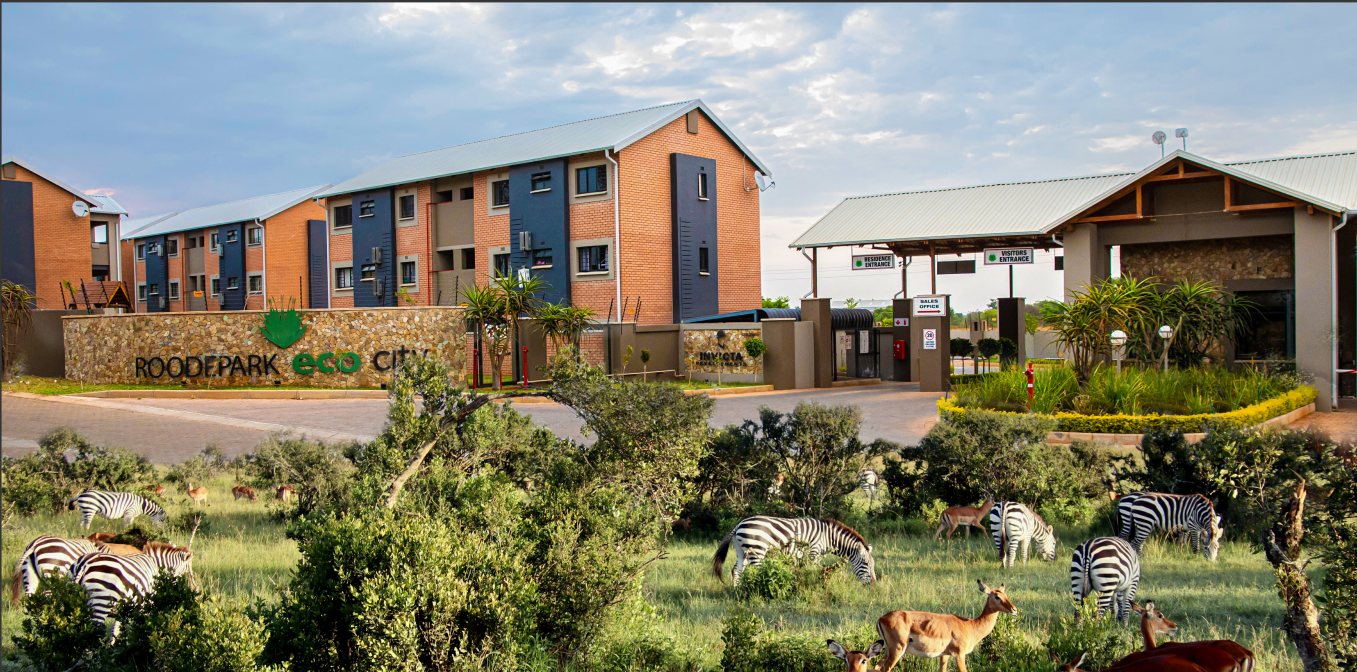
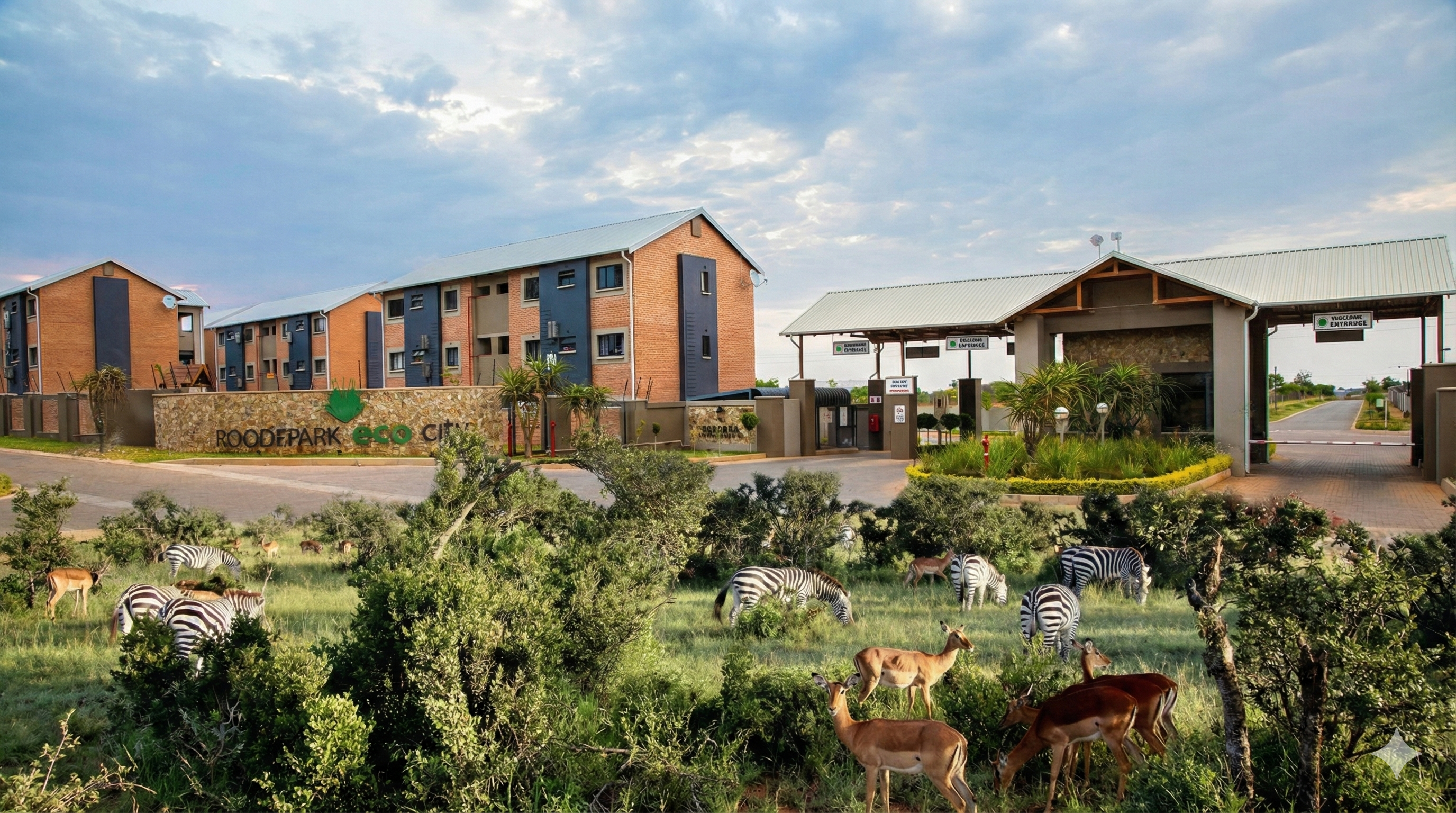
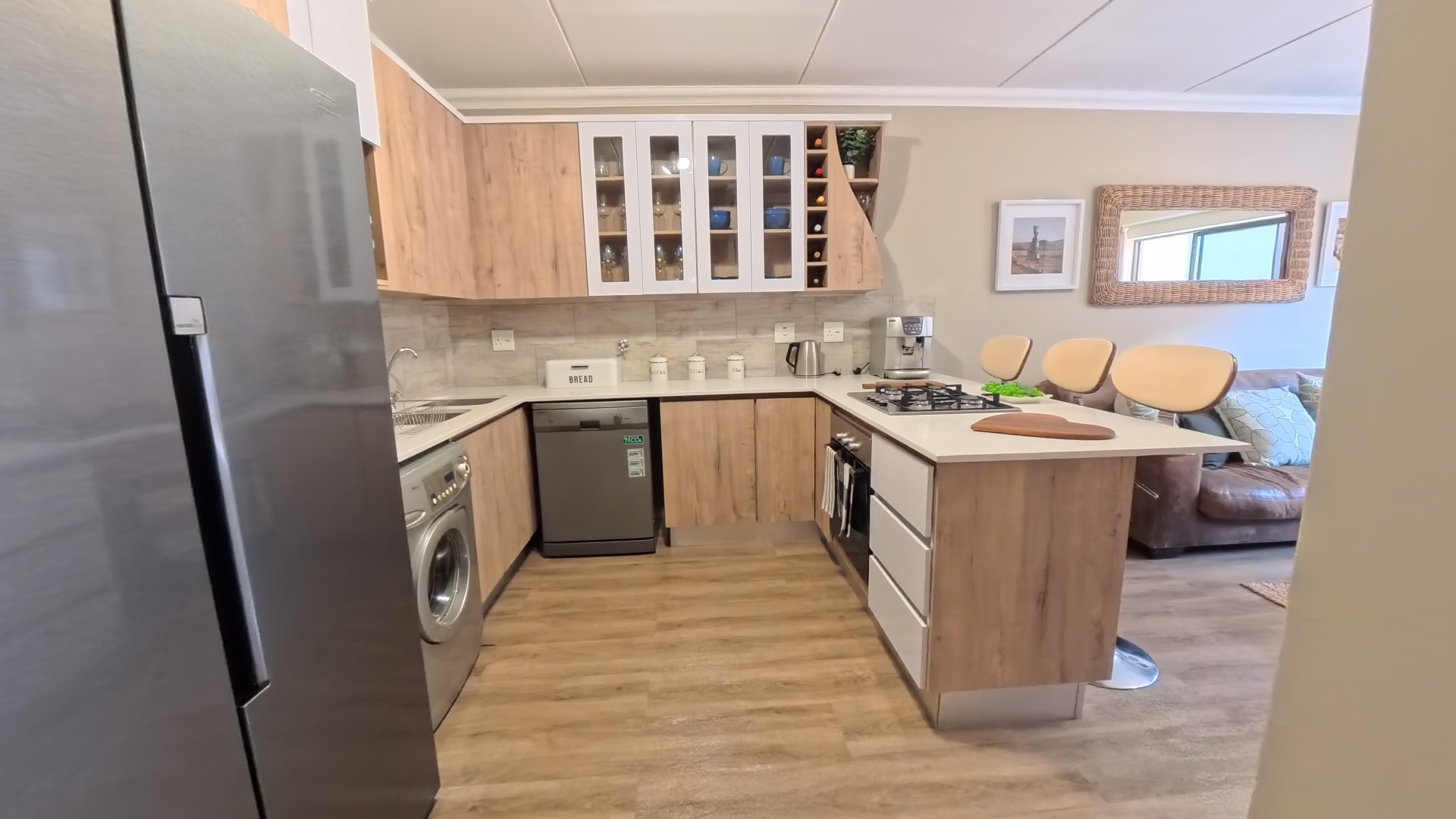
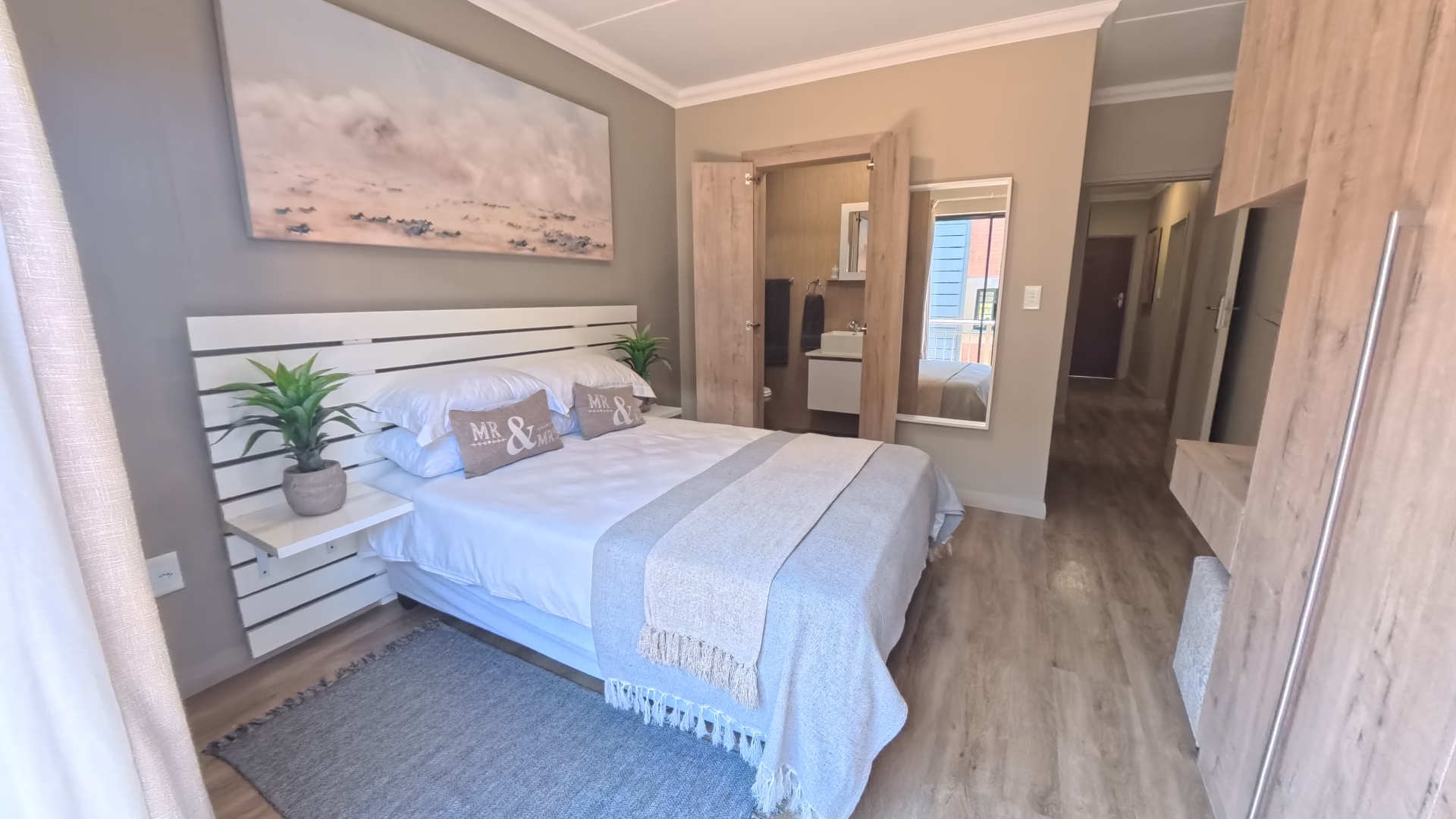
Now the arithmetic, on real prices. The entry plan at Roodepark Eco City 2, the development I sell in Montana, Pretoria, costs R1,249,000 all-inclusive: transfer duty, bond registration and the transfer legal costs are carried by the developer, so the sticker price is the whole price. Five members, five units, five tenants.
The cash route is the natural stokvel shape. Money in: R6,245,000, which is R1,249,000 per member. At the model's default assumptions (rent of R10,900 a month per unit escalating 7% a year, costs inflating at 5%, capital growth of 4%, management at 7% of rent, plus the confirmed R1,425 monthly levy, which the estate levies guide itemises, and rates estimated at R875 per unit), the five units clear a net rental surplus of about R32,469 a month in year one. Owning five residential units also crosses SARS's threshold for the Section 13sex allowance: about R171,738 a year in deductions (5% of 55% of the R6,245,000 spend), worth R46,369 a year at a 27% marginal rate and running for 20 years, which stacks up to roughly R463,691 of tax saved by year 10. The model puts wealth created, meaning net wealth after every rand in and out, at R8,330,231 by year 10 (1.33 times the money in) and R23,236,905 by year 20 (3.72 times).
The bond route changes the shape entirely. With 20% deposits the group puts in R249,800 per member, R1,249,000 in total: the price of one unit, controlling five. Each unit carries an instalment of R10,144 a month on a R999,200 loan, modelled at 10.75% and subject to your bank's actual quote, and in year one the group tops up about R6,249 a month from contributions. Tax saved by year 10 rises to R1,762,583, because bond interest deducts under section 24J alongside the 13sex allowance, and wealth created by year 10 comes out at R4,818,413, nearly four times the money in.
Two caveats, stated plainly. These are model outputs, not promises; move the rent or the growth rate and every figure moves, so compare one unit against five on the live property investment calculator with your own assumptions before any meeting votes. And Section 13sex carries SARS conditions; group and company ownership structures are genuinely complex, so speak to a registered tax practitioner before structuring anything.
Stokvel discipline, your own title deed
This is where my interest, declared at the top, comes in. The hardest part of buying property, the part that defeats most solo buyers, is the discipline: the same amount, every month, for years, with witnesses. Stokvels solved that decades ago. What trips some groups is the last step, joint ownership: one title deed carrying eleven names, and exit rules doing structural work they were never designed to do.
There is a version that keeps the discipline and drops the entanglement. The group still meets, still contributes, still holds every member to the monthly amount, but each member buys her own unit in her own name: R1,249,000 in cash at Roodepark's entry price, or a R249,800 deposit on the bond route. Same accountability, separate title deeds, and no clause needed for the day someone's circumstances change. (Two members who do want to buy one home together — spouses, siblings — are better served by a formal joint bond application than by a stokvel clause.) That thinking is why we built the Women Build Wealth community; the 52.3% figure from earlier is the quiet headline of this whole subject, because the distance from group saving to a title deed in your own name is shorter than most women are told.
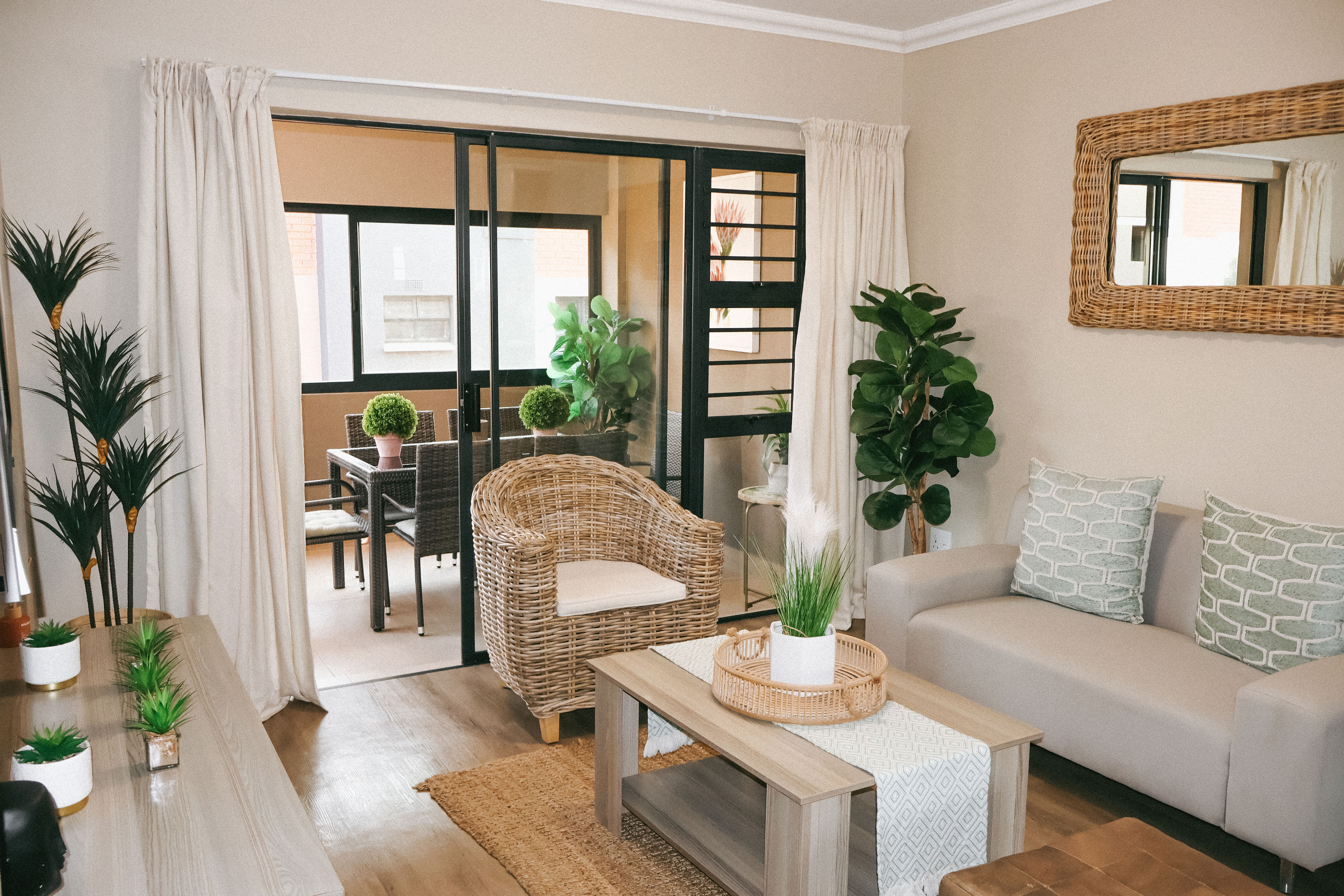
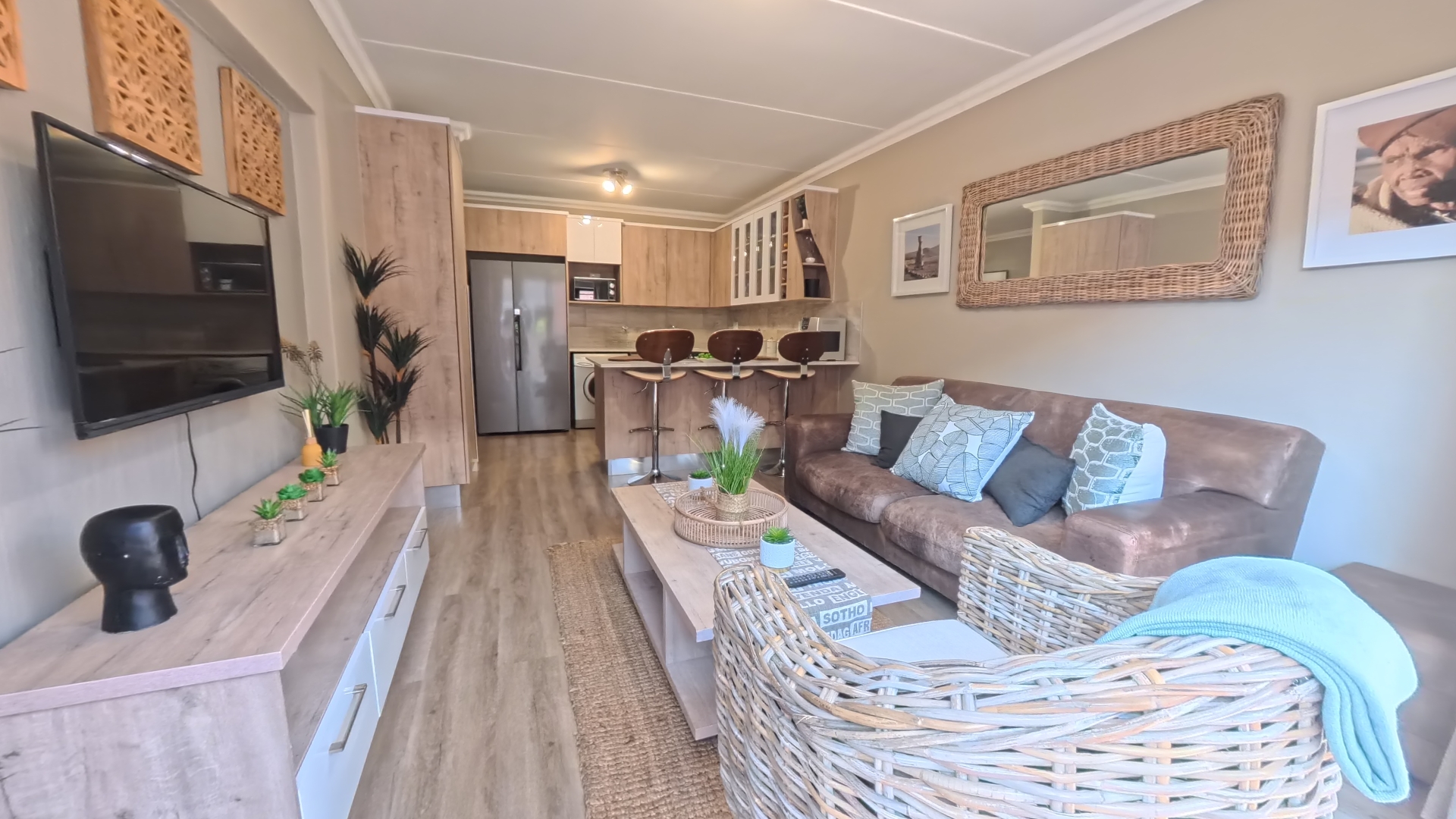
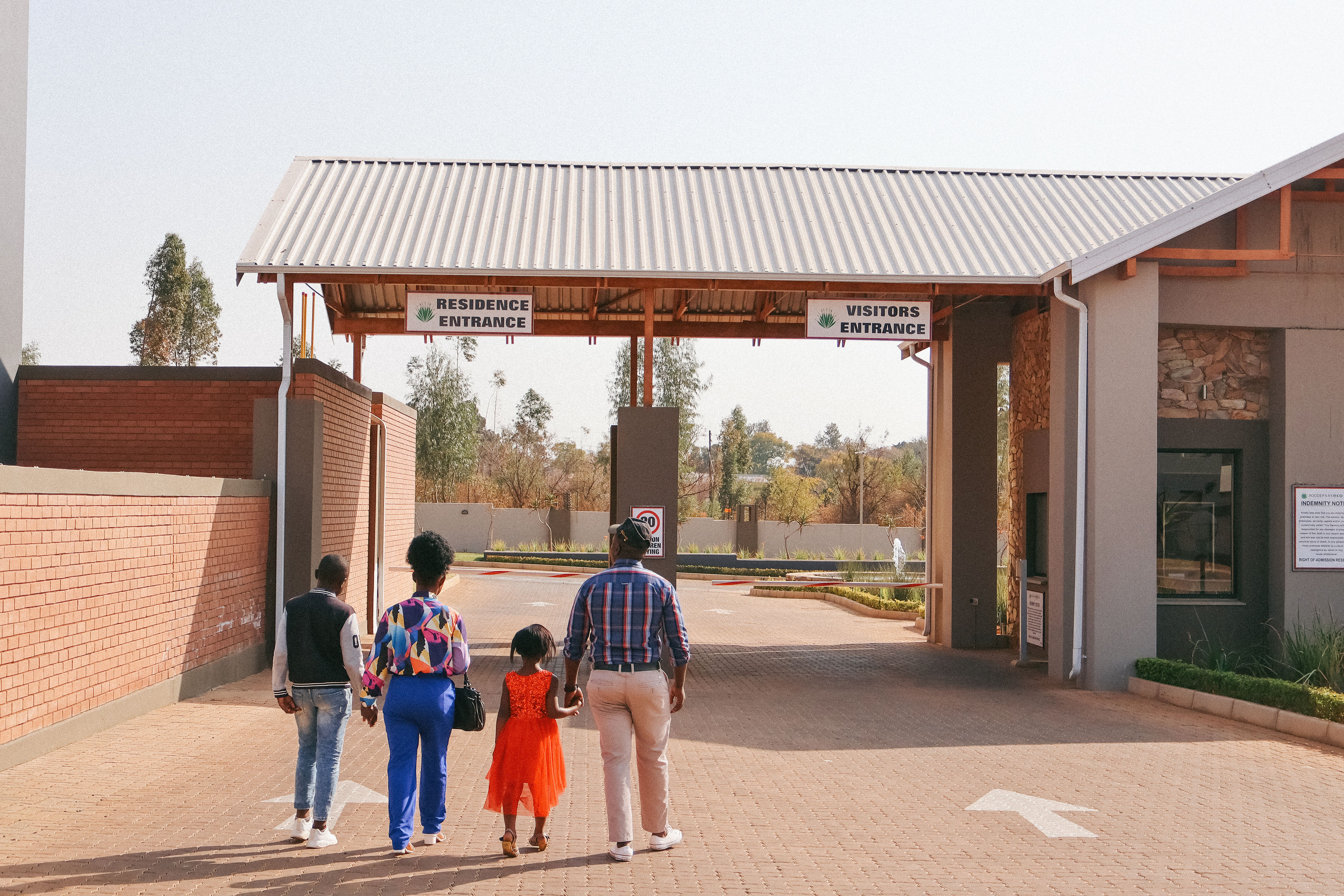
If your group is at the what-could-we-actually-buy stage, run your own numbers on the calculator, then bring the committee to walk the new development in Montana, Pretoria — we host group viewings, and a show unit takes a full committee comfortably.
Invicta Roodepark Eco City 2 blog: Property stokvels in South Africa: how they work, real examples, and the numbers to check before you join. Around eleven million South Africans save through stokvels, moving roughly R50 billion a year — and property is where the ambitious groups are pointing next. If your group is asking whether the machine that buys December groceries can buy townhouses, this is the full answer: how property stokvels work, named groups with real monthly contributions, the governance checklist, the documented failure risk, and what five members pooling money could actually buy in 2026. I develop and sell townhouses in Montana, so weigh my interest; my own development only enters the story once the honest work is done. What a property stokvel is, in one paragraph: A property stokvel is an ordinary stokvel with a heavier target. Members pay a fixed amount every month under written rules, a committee answers to the meeting, and instead of the pot paying out for groceries or funerals, the money goes toward property: rotating lump-sum payouts that fund one member's deposit at a time, or joint cash purchases of rental units the group owns together. The trust mechanics are identical to the stokvel your mother belonged to; only the destination changes, from trolleys to title deeds.
The scale is worth pausing on. NASASA, the National Stokvel Association of South Africa, is the source most figures trace back to: roughly 11.4 to 11.6 million members, somewhere between 800,000 and a million groups, and around R49 to R50 billion mobilised a year. Old Mutual's Savings and Investment Monitor tracked the share of households holding stokvels rising from 51% to 53%, against the grain of a tough savings decade, and one study of low-income households found 52.3% of stokvel members are women; hold that figure, because it returns at the end. Stokvels are the largest voluntary savings machine in the country. The open question is whether that machine can safely carry something as heavy, and as illiquid, as property. The real models, with real monthly numbers: Named groups beat theory, so here are three with real numbers attached.
The EDPF Property Stokvel runs on contributions of around R1,000 a month, an entry level an ordinary salary can sustain for years. PSIC, the Property Stokvel Investment Club, phases its members instead: phase 1 sits at about R2,100 a month, and phase 2 climbs to about R15,000 a month for members committed to its cash-purchase model, which buys property outright with no bond at all. Sakhisizwe Property Stokvel, profiled by Nedbank, is the bank-adjacent version: a group formal enough for a major bank to present as a case study.
Underneath the names, almost every property stokvel is one of three models. Deposit stokvels rotate the pot so each member in turn receives a lump sum toward a home in their own name. Ownership stokvels buy jointly, usually for rental income, with the group or a company it forms holding the asset. Hybrid clubs bank and escalate contributions, PSIC-style, until a cash purchase is possible. Before you compare contribution amounts, ask the model question first: whose name ends up on the title deed? Every risk in the next two sections flows from that answer. The governance checklist before you hand over a cent: Trust is the product a stokvel sells its own members, so test it the way a bank would test a borrower.
Start with affiliation: NASASA affiliation is the recognised trust marker in this world, and a group that has accepted that outside scrutiny has already told you something. Then ask for the constitution, in writing, before any money moves. It must answer the awkward questions in advance: the exact monthly amount, what happens when a member misses a month, how a member exits, what happens when a member dies, and how the group values a departing member's share of a property nobody intends to sell.
Then the books. The account must be in the group's name with at least two signatories, statements tabled at every meeting, and some independent oversight, whether an external accountant or a member with no signing power doing the reconciliation. Transparent books are not a courtesy; they are the whole defence.
Exit rules deserve their own paragraph, because property rewrites them. A grocery stokvel can pay a leaver out in December. A stokvel that owns five townhouses cannot, unless it sells one or holds cash reserves, and forced sales are where good groups go to die. If the constitution cannot explain, in rands and months, how you would get your money out, you have not found an investment; you have made a donation. The risk nobody puts on the flyer: There is an academic study of stokvel failure with a title that needs no translation: 'Oh no! All my money is gone'. It documents how groups actually collapse: funds quietly diverted by the people trusted to hold them, members sliding into over-indebtedness to keep up contributions, and group pressure that keeps people paying into a pot they privately stopped trusting months ago.
I raise it with respect, because failure is the exception. Millions of members keep their commitments year after year on social trust alone, and the payment discipline inside a good stokvel would embarrass many banks. But property raises the stakes on every axis: the amounts run to six and seven figures, the money is locked in bricks rather than a December payout, and a dispute cannot be settled by splitting the pot.
So treat the previous section as non-negotiable, and add my one personal rule: never join a group whose books you have not personally seen, however warm the invitation. The 'all my money is gone' interviews are full of people who trusted the person instead of the paperwork. What five members pooling could actually buy: Now the arithmetic, on real prices. The entry plan at Roodepark Eco City 2, the development I sell in Montana, Pretoria, costs R1,249,000 all-inclusive: transfer duty, bond registration and the transfer legal costs are carried by the developer, so the sticker price is the whole price. Five members, five units, five tenants.
The cash route is the natural stokvel shape. Money in: R6,245,000, which is R1,249,000 per member. At the model's default assumptions (rent of R10,900 a month per unit escalating 7% a year, costs inflating at 5%, capital growth of 4%, management at 7% of rent, plus the confirmed R1,425 monthly levy, which the estate levies guide itemises, and rates estimated at R875 per unit), the five units clear a net rental surplus of about R32,469 a month in year one. Owning five residential units also crosses SARS's threshold for the Section 13sex allowance: about R171,738 a year in deductions (5% of 55% of the R6,245,000 spend), worth R46,369 a year at a 27% marginal rate and running for 20 years, which stacks up to roughly R463,691 of tax saved by year 10. The model puts wealth created, meaning net wealth after every rand in and out, at R8,330,231 by year 10 (1.33 times the money in) and R23,236,905 by year 20 (3.72 times).
The bond route changes the shape entirely. With 20% deposits the group puts in R249,800 per member, R1,249,000 in total: the price of one unit, controlling five. Each unit carries an instalment of R10,144 a month on a R999,200 loan, modelled at 10.75% and subject to your bank's actual quote, and in year one the group tops up about R6,249 a month from contributions. Tax saved by year 10 rises to R1,762,583, because bond interest deducts under section 24J alongside the 13sex allowance, and wealth created by year 10 comes out at R4,818,413, nearly four times the money in.
Two caveats, stated plainly. These are model outputs, not promises; move the rent or the growth rate and every figure moves, so compare one unit against five on the live property investment calculator with your own assumptions before any meeting votes. And Section 13sex carries SARS conditions; group and company ownership structures are genuinely complex, so speak to a registered tax practitioner before structuring anything. Stokvel discipline, your own title deed: This is where my interest, declared at the top, comes in. The hardest part of buying property, the part that defeats most solo buyers, is the discipline: the same amount, every month, for years, with witnesses. Stokvels solved that decades ago. What trips some groups is the last step, joint ownership: one title deed carrying eleven names, and exit rules doing structural work they were never designed to do.
There is a version that keeps the discipline and drops the entanglement. The group still meets, still contributes, still holds every member to the monthly amount, but each member buys her own unit in her own name: R1,249,000 in cash at Roodepark's entry price, or a R249,800 deposit on the bond route. Same accountability, separate title deeds, and no clause needed for the day someone's circumstances change. (Two members who do want to buy one home together — spouses, siblings — are better served by a formal joint bond application than by a stokvel clause.) That thinking is why we built the Women Build Wealth community; the 52.3% figure from earlier is the quiet headline of this whole subject, because the distance from group saving to a title deed in your own name is shorter than most women are told.
If your group is at the what-could-we-actually-buy stage, run your own numbers on the calculator, then bring the committee to walk the new development in Montana, Pretoria — we host group viewings, and a show unit takes a full committee comfortably. Homes from R1 249 000 all-inclusive, no transfer duty. Contact: 063 600 3905. Official site: https://www.invictaproperties.co.za/.