

Myth
“You need to be rich to start”
A 20% deposit on an all-inclusive R1 249 000 townhouse is R249 800 — and the tenant's rent services most of the bond from month one.

Women Build Wealth × Invicta Roodepark
You've worked, saved and provided for everyone else. Property is how your money starts working for you — and it's simpler than you've been led to believe. Invest · Grow · Build · Legacy.
Bond applications submitted to all major South African banks for the best deal






The myths
The myths that keep women out of property — and the truth:
Myth
“You need to be rich to start”
A 20% deposit on an all-inclusive R1 249 000 townhouse is R249 800 — and the tenant's rent services most of the bond from month one.
Myth
“Property is complicated”
A sectional-title purchase from a developer is one signature, no transfer duty, and the body corporate runs the building. A managing agent can run the tenant for ~7% of rent.
Myth
“You need to know the market”
You're buying a new, NHBRC-warrantied home at a listed price in an estate where two phases already sold out — not flipping auction stock.
Myth
“It's too late to start at 40 or 50”
A 20-year bond taken at 45 is paid off at 65 — by a tenant. The calculator below shows exactly what each year builds.
How To Build Wealth Through Property
Helping women invest with confidence, grow their wealth, and build a lasting legacy through property.
Our Investor Advantage: As the developer, we run a dedicated rental support programme for our investors. We maintain a database of prospective tenants and actively match them with available investment properties — helping to reduce vacancy periods and support a steady rental income.
One Bold Step Towards:
Low admin by design
| What you deal with | Sectional title (this estate) | Freestanding house |
|---|---|---|
| Exterior maintenance & painting | Body corporate handles it (funded by the levy) | You organise and pay for everything |
| Garden & common areas | Estate gardeners — no weekend upkeep | Your own time or a garden service |
| Building insurance | In the levy — one less policy to manage | Your own policy to arrange |
| Security | Estate perimeter + access control, shared cost | You install and maintain your own |
| Cost predictability | A known monthly levy | Surprise repairs (roof, boundary walls, paving) |
| Tenant appeal | Lock-up-and-go with estate security rents easily | Bigger but harder to secure and maintain |
The short version: with sectional title the body corporate does the outside — maintenance, garden, insurance and security are organised for you and funded by a predictable levy, so a first investment doesn’t become a second job.
THE FOUR FUTURES
Pick a plan and play with the inputs — all four strategies update live. Buying five units unlocks the Section 13sex tax allowance; a bond adds the Section 24J interest deduction but needs a monthly top-up in the early years. Nothing here is hidden — every assumption is editable.
At year 10, 5 units — cash builds the most wealth — R8 330 231 (1.33× money in).
Guideline only — not financial or tax advice. Interest rate 10.75% is unconfirmed and subject to your bank quote; Section 13sex requires five or more new, unused units held for letting (SARS conditions apply); SARS may ring-fence rental losses under section 20A depending on your income; levy R1 425 confirmed June 2026, municipal rates estimated. Speak to a registered tax practitioner before you rely on these numbers.
Only buying one home for now? Use the bond & affordability calculator or compare renting vs buying.
The tax angle
R171 738
rental profit shielded per year
R463 691
tax saved over ten years
Section 13sex of the Income Tax Act lets you write off 5% of the building cost of new residential units, every year for 20 years — but only once you own five or more new, unused units that you rent out. One unit gets nothing; five unlock it. On five 2 Bed + Study Luxury Study homes at R1 249 000 each, that shields roughly R171 738 of rental profit from tax — about R463 691 of tax saved over ten years at a 27% marginal rate.
Buying with a bond adds Section 24J: the interest you pay the bank is deductible against the rent — which is why the calculator’s bond scenarios show both a monthly top-up AND a bigger tax saving in the early years. SARS conditions apply to both; a registered tax practitioner should confirm your position.
The complete presentation — every number, tax angle and worked scenario — as a PDF.
The estate
5 min to Montana Shopping Centre · 15 min to Menlyn Mall · 20 min to Pretoria CBD
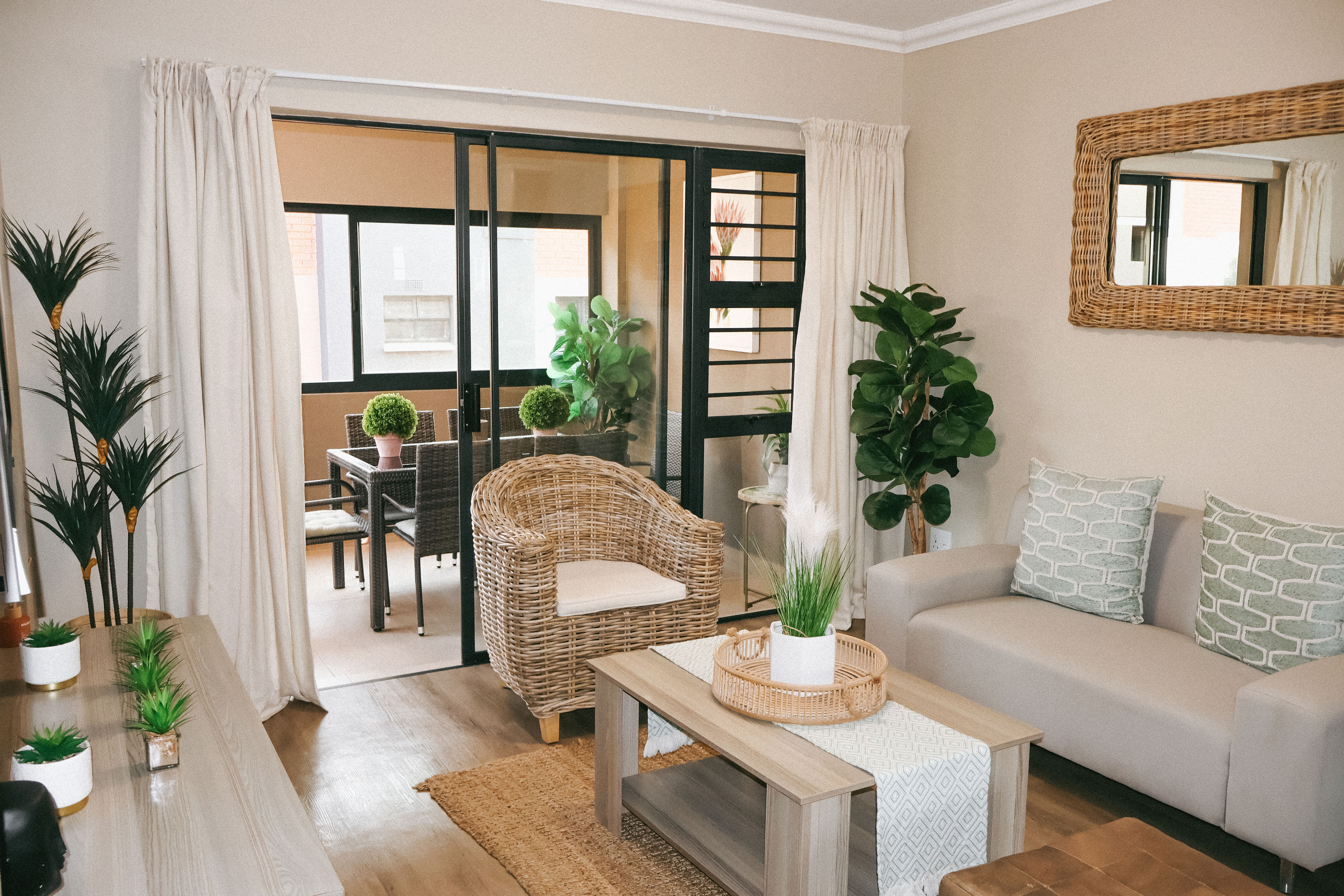
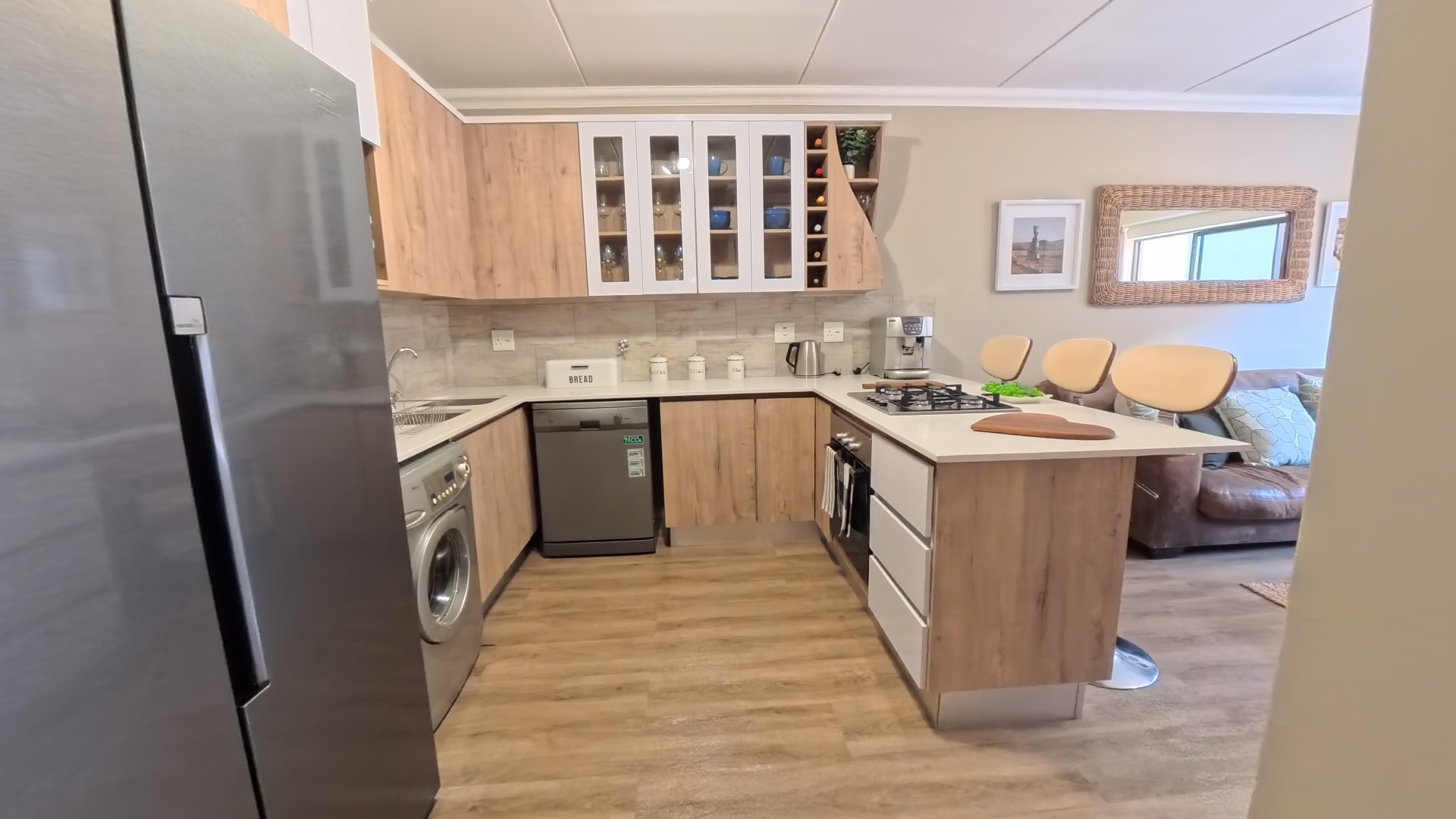
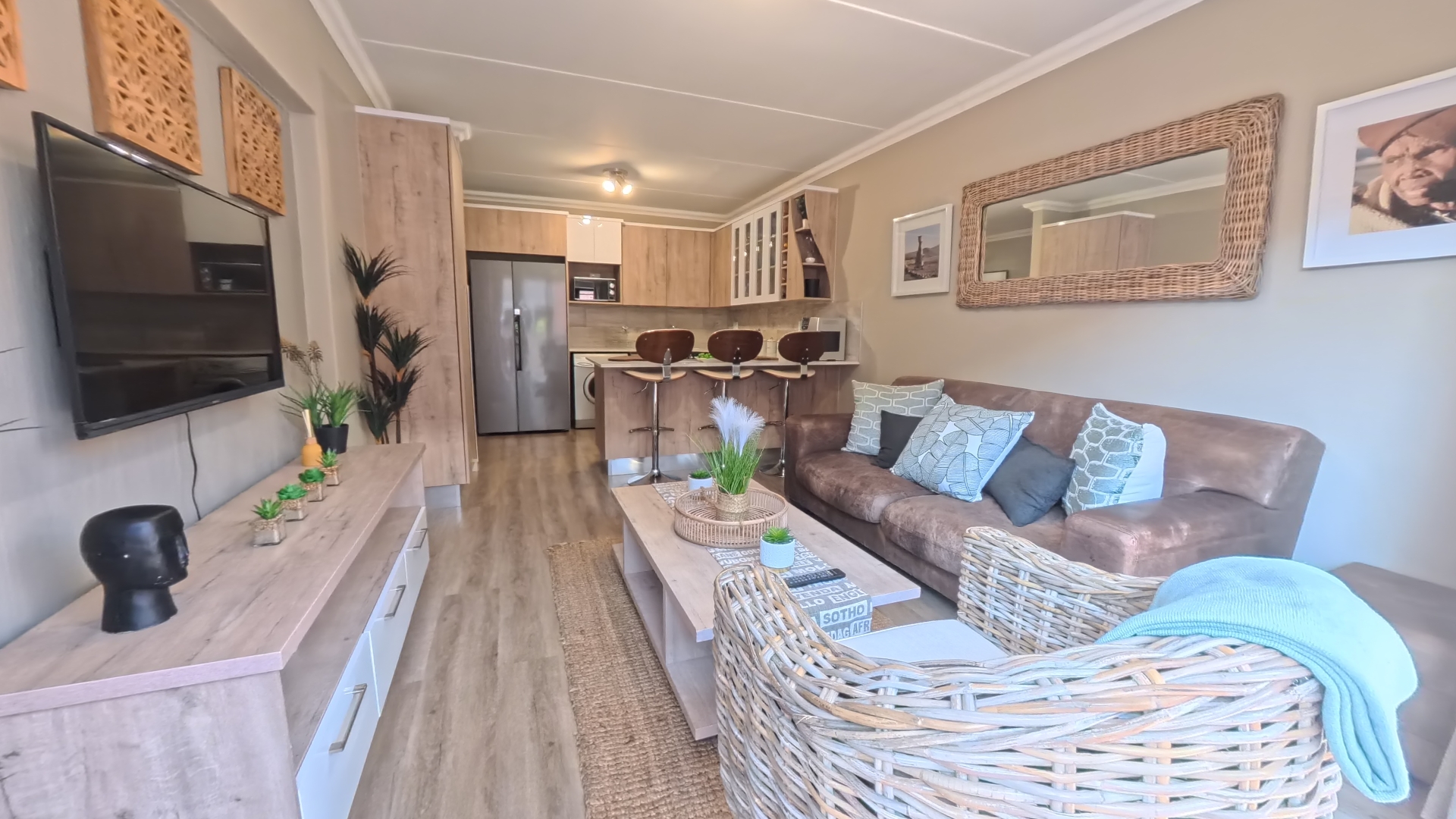


R1 249 000
R1 249 000
R1 349 000
The community
Women Build Wealth Investment Group is a community of women learning, investing and building lasting wealth — together. Monthly meet-ups and masterminds, property investment education, deal-sharing, guest experts and mentorship. A sisterhood that supports and uplifts.
Empowered women. Smart investments. Generational wealth. Your future self will thank you.
Yes — a new sectional-title home bought directly from the developer is the simplest entry: the price is all-inclusive (no transfer duty, bond and legal costs included), the NHBRC warranty covers the build, the body corporate maintains the outside, and a managing agent can run the letting for around 7% of rent. The hard parts of "being a landlord" are all outsourceable.
With sectional title the body corporate handles exterior maintenance, gardens, building insurance and estate security, funded by a predictable monthly levy (R1 425 here, confirmed June 2026) — so there are no surprise roof or boundary-wall bills, and lock-up-and-go estate living is what tenants pay for. A freestanding house leaves all of that to you.
Beyond the bond repayment there are four regulars: the levy (R1 425 here, confirmed June 2026 - it funds exterior maintenance, estate security and building insurance), municipal rates (estimated per plan in the calculator), a managing agent's fee of around 7% of rent if you outsource the letting, and a small allowance for vacancies between tenants. The calculator above already subtracts the levy, rates and management fee before showing any monthly figure - so what you see is the honest number, not bond-only maths.
Section 13sex of the Income Tax Act lets a taxpayer who owns at least five new, unused residential units held for letting deduct 5% of the units' cost each year for 20 years against rental income. Fewer than five units qualify for nothing — that's why the calculator treats one unit and five units so differently. SARS conditions apply; confirm with a registered tax practitioner.
Under Section 24J the interest portion of your bond repayments on a rental property is deductible against the rental income. In the early years interest is most of the repayment, so a bonded rental often shows a taxable loss — reducing tax while the tenant and the taxman effectively co-fund the property. Note: SARS can ring-fence rental losses under section 20A for higher earners.
Usually only partially, and sometimes not at all for a first investment property: most South African banks want to see that your salary alone can carry the repayment, and may credit a portion of a signed lease or a rental appraisal once you have a track record. The practical rule: qualify on your own income and treat the rent as what pays the bond down, not what gets you approved. A bond originator can pre-check your position across several banks at no cost.
Vet upfront (credit check, affordability at roughly 3× rent, references), take a deposit, and consider a managing agent — their ~7% fee typically covers vetting, collection and arrears process. New estates with access control and modern units attract the strongest tenant pool, and pricing rent at market keeps vacancies short.
Most first-time investors buy in their own name: it's the simplest, banks lend most readily, and the s13sex and s24J deductions work against your personal rental income. Companies and trusts have different tax rates, costs and compliance burdens that only pay off in specific situations — get advice from a registered tax practitioner before choosing.