By Billy Janse van Rensburg — Invicta Property Development · Published 2026-07-14 · Updated 2026-10-01
TPN's latest Residential Rental Monitor says 83% of South African tenants are in good standing — and the best-performing rent band in the country is exactly where a new Pretoria townhouse rents. That sentence is why this guide exists. I develop and sell the townhouses I use as the worked example below, so read everything that follows with that bias declared. In return, every claim carries a figure: the tenant payment data, the rent band that performs, what your bank really does with projected rent, the full monthly cost stack on one bonded unit, and the four ways a first deal can run over ten years.
Do tenants actually pay? What the data says
The first-time landlord's biggest fear is the tenant who stops paying, so start with the measured answer instead of the horror story. TPN's Residential Rental Monitor for the second quarter of 2024 puts 83% of South African tenants in good standing, meaning rent paid in full and on time or within the grace period. That is the national base rate, across every province and every rent level.
The honest tail risk sits in TPN's squat index: roughly 3.7% of tenants are three or more months in arrears and still occupying the property. That is the expensive scenario, because an eviction takes months and the bond does not pause while it runs. About one tenancy in twenty-seven going badly wrong is a reason to vet hard and hold a buffer; it is not a reason to stay out of the market.
One more number the generic guides skip: national rental escalations cooled from 4.87% in the first quarter of 2024 to 4.29% in the second. Landlords who push aggressive annual increases are losing tenants to better-priced stock, so model your escalation honestly and treat anything above it as upside.
The rent band that performs best, and where a new townhouse sits in it
TPN splits good standing by rent band, and the best-performing band in the country is R7,000 to R12,000 a month, where about 88.6% of tenants are in good standing. Below R7,000, affordability strain pushes arrears up; above R12,000, the tenant pool thins and vacancies stretch. The middle of the market is where rent most reliably gets paid.
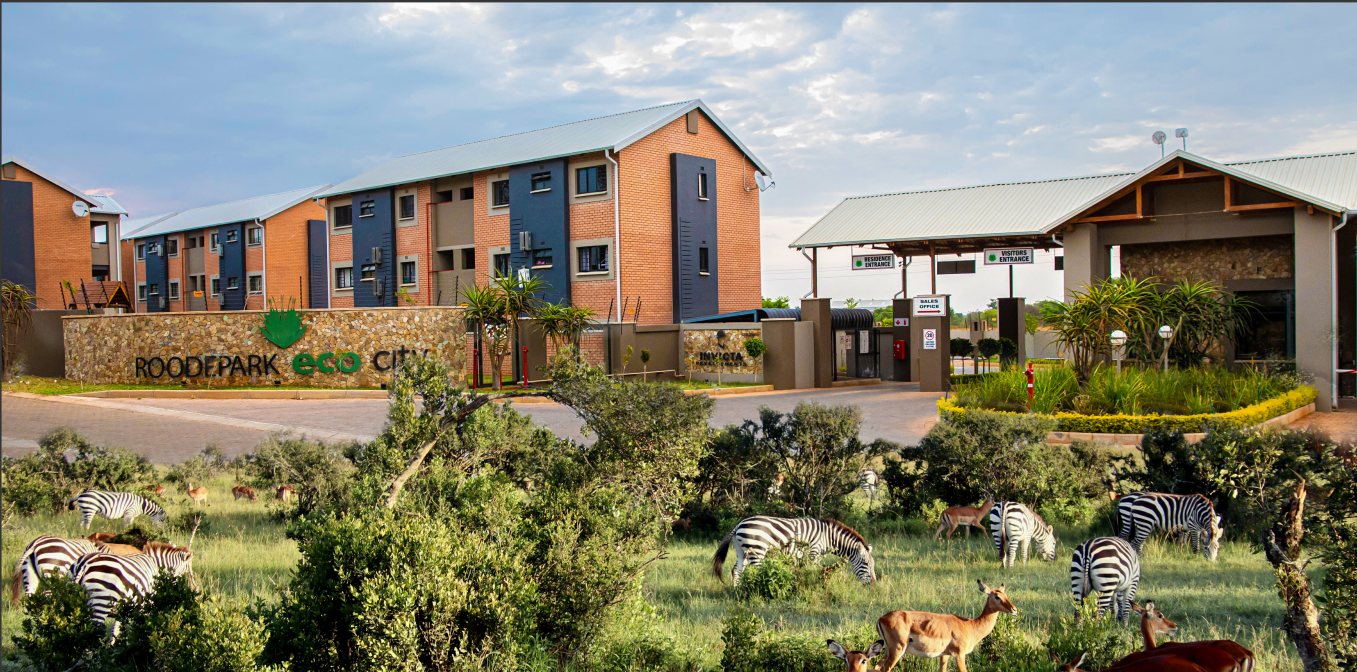
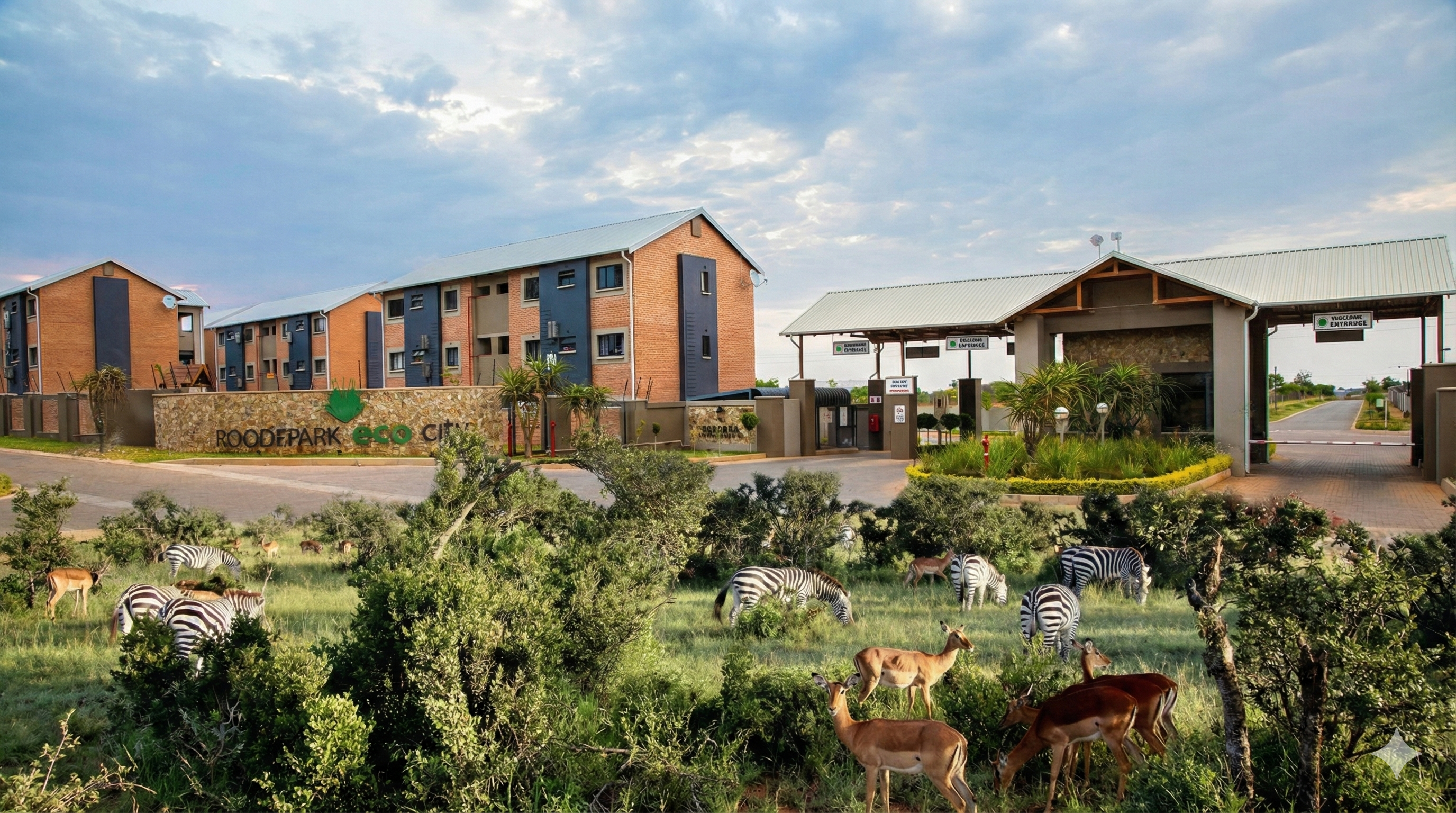
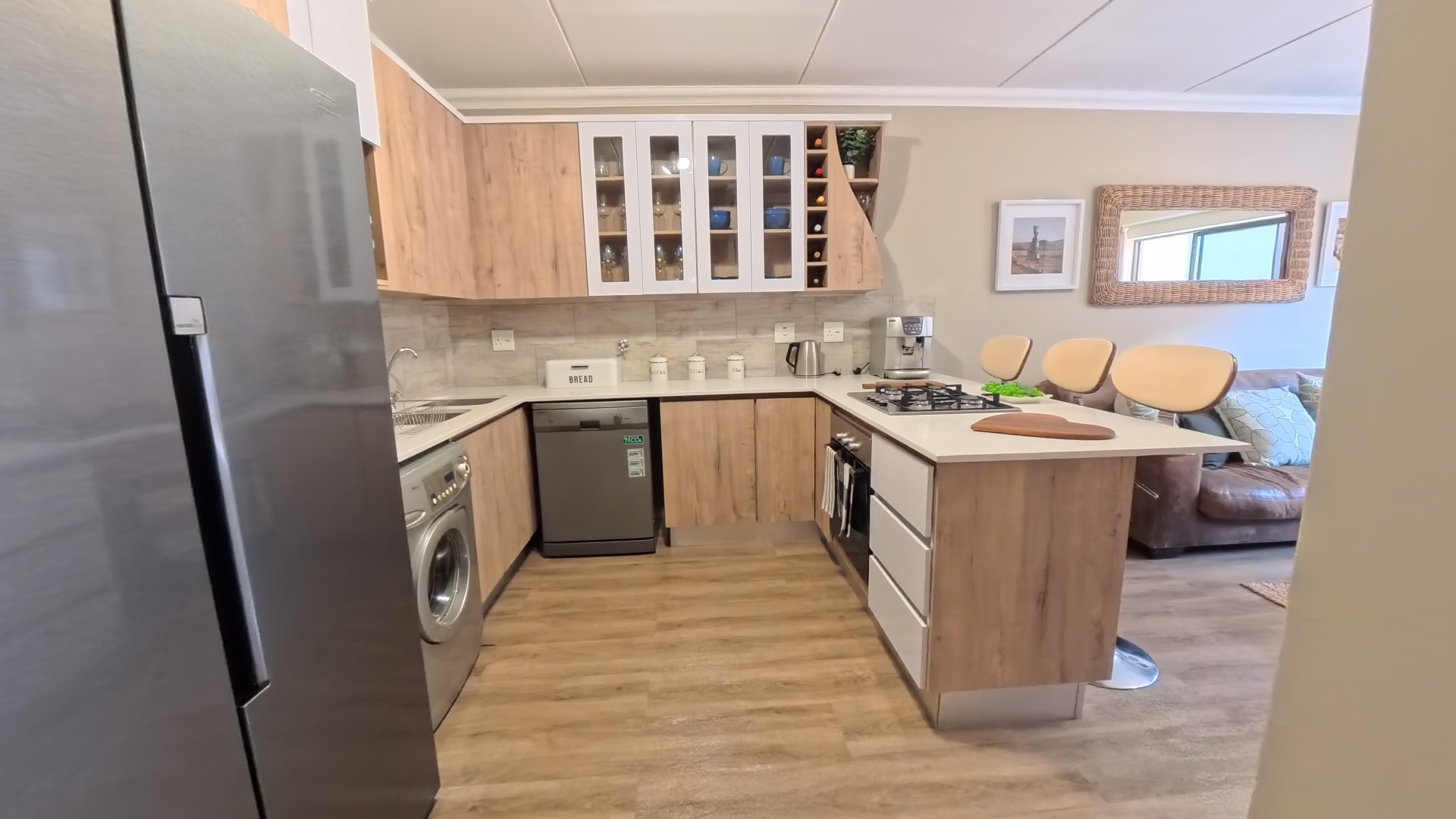
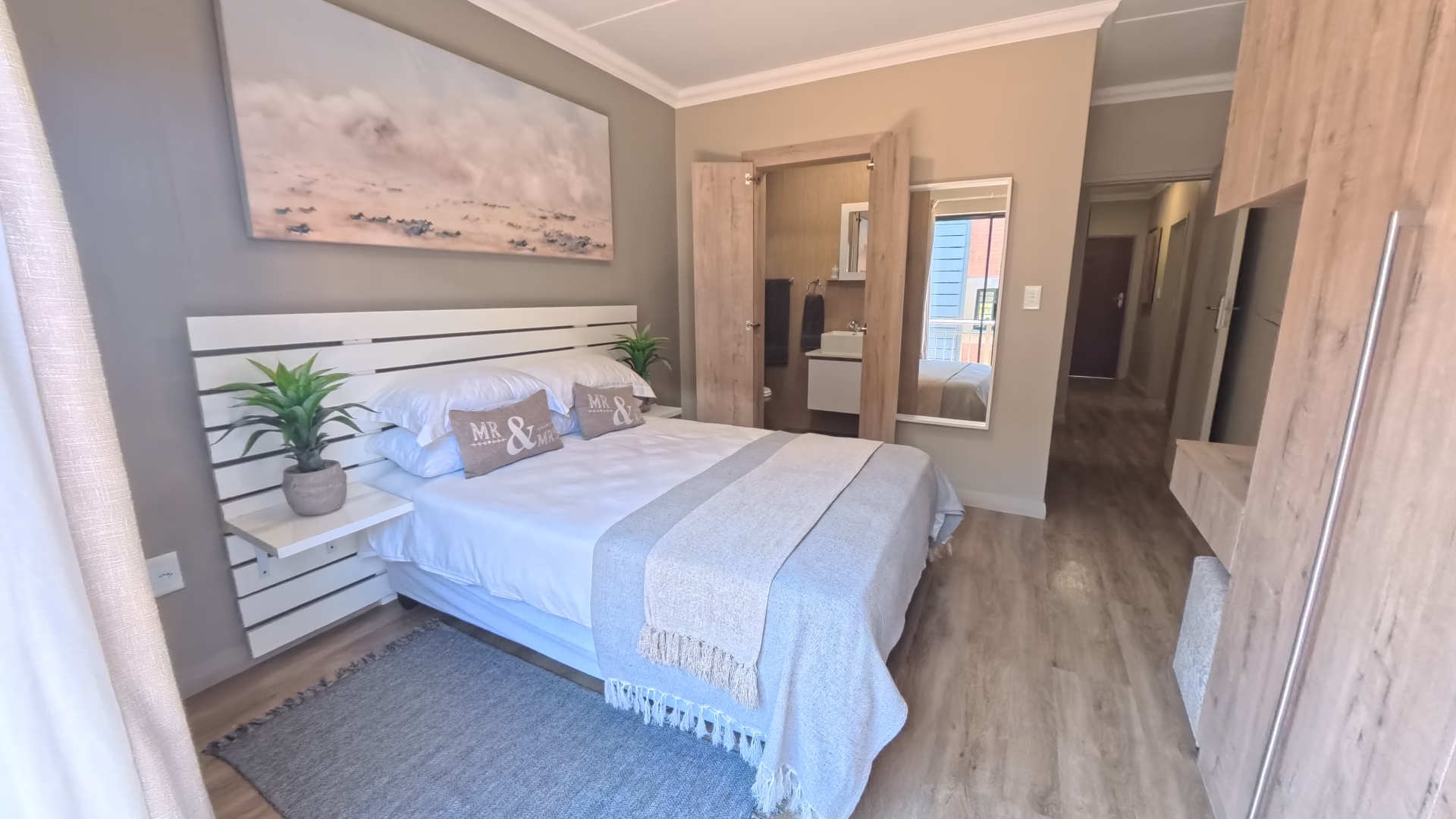
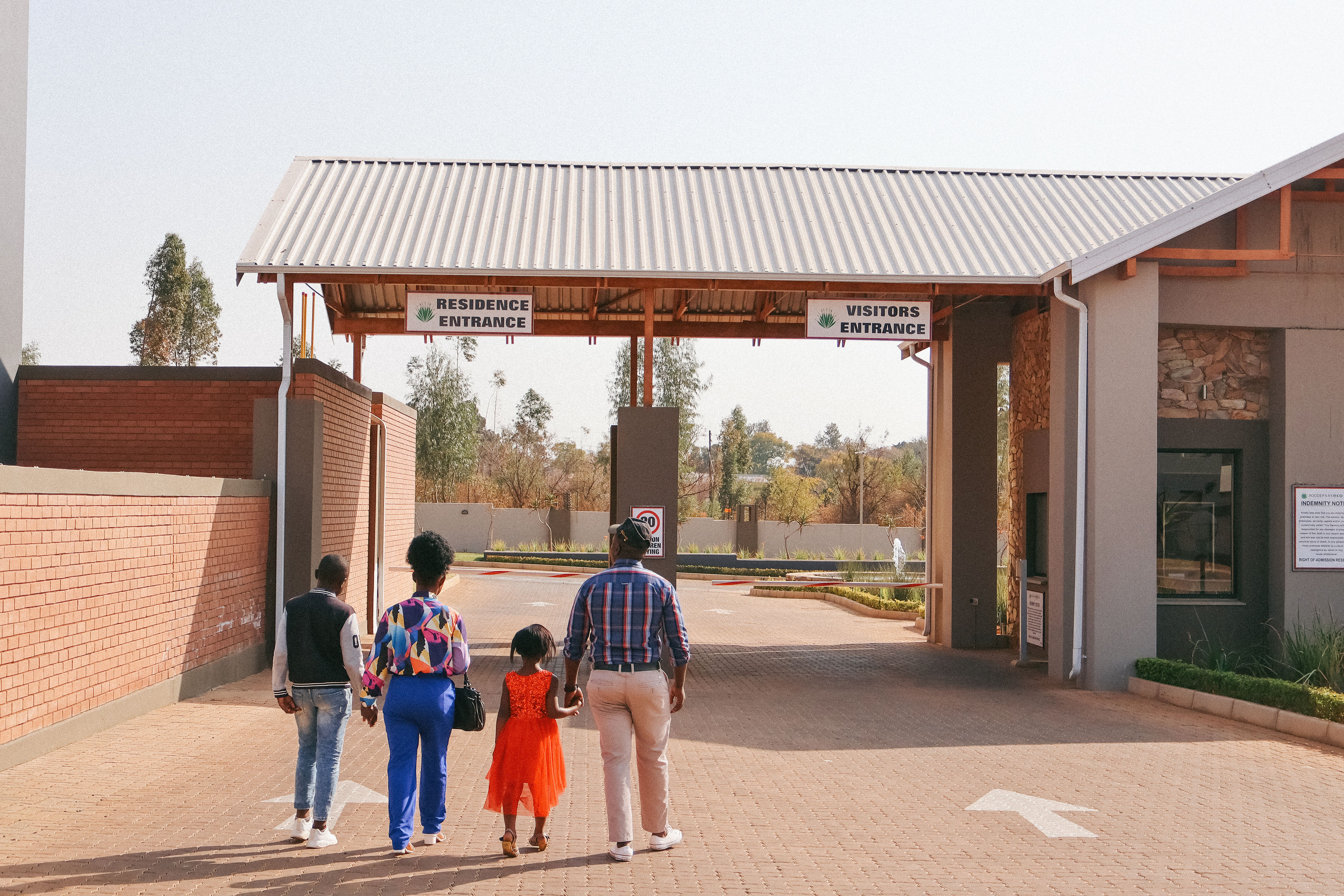
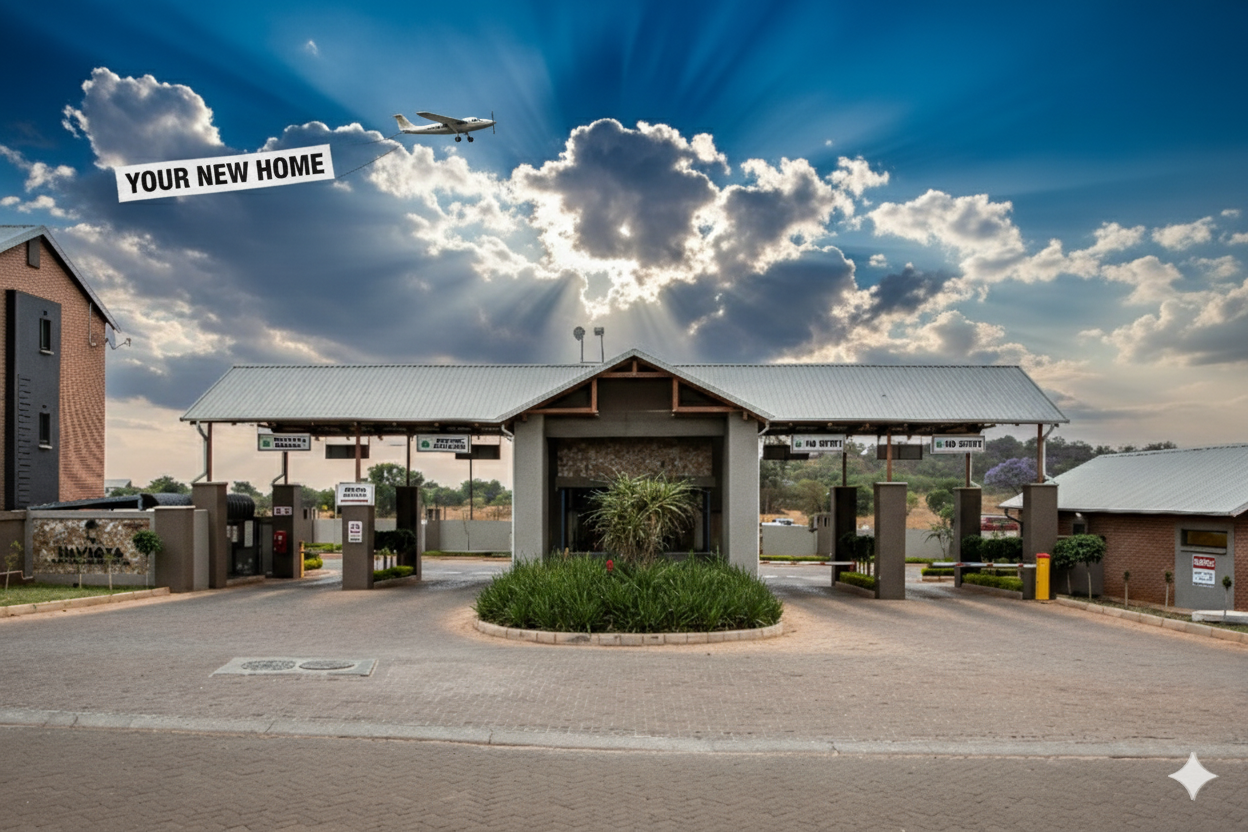
Here is the localisation a generic guide cannot give you. The default rent assumption in our investment model is R10,900 a month for a new townhouse at Roodepark Eco City 2 in Montana, Pretoria North, which sits comfortably inside that best-performing band. The entry plans behind that rent start at R1,249,000 and the Family Home is R1,349,000; the estate's first two phases sold out at 249 homes and the final phase is what is selling now. For the wider picture, browse the current Montana, Pretoria listings and compare asking rents in the area yourself.
A unit that rents where payment behaviour is strongest is the quiet half of a buy-to-let case. The loud half is the cost stack, and that is where most first deals go wrong.
What the bank really does with your expected rental income
Every first-time landlord runs the same mental sum: the rent will cover the bond, so the bank will lend against it. Banks do not see it that way. For a first-time landlord, most South African banks count expected rental income only partially in the affordability calculation, and some will not count it at all until you have a lease history behind you. Underwriters price in vacancy, arrears and management before they credit you a cent.
One more honesty note on rates: every bond figure in this guide is modelled at 10.75%. That is an assumption, subject to the quote your bank actually gives you, and a half-percent either way moves every number downstream.
The full monthly cost stack, itemised
Here is the entry plan's monthly ledger as a rental, on the live model's numbers. Purchase price R1,249,000; put down a 20% deposit of R249,800 and the loan is R999,200, which at the assumed 10.75% over 20 years costs R10,144 a month. Then the running costs: a levy of R1,425 a month, confirmed on the June 2026 levy statement; municipal rates of about R875; and professional management at 7% of rent, which is R763 on R10,900. Running costs come to R3,063 a month before the bond.
Now the year-one arithmetic, told straight. R10,900 comes in, R3,063 goes out in running costs and R10,144 goes to the bank — and after the model counts the year-one tax relief on the shortfall, you top up about R2,023 a month from your own pocket. Own that figure before you sign: a planned top-up is a strategy, a surprise top-up is a crisis. Because rent escalates at 7% a year in the model while costs inflate at 5%, the gap narrows each year and then turns positive.
Cash or bond, one unit or five: the four ways a first deal can run
Ten years is the honest horizon for a first rental, so that is what the model scores. All four scenarios below run on the defaults already stated, plus property growth at a deliberately conservative 4% a year and tax at 27%. They are model outputs on stated assumptions, not promises.
One unit for cash: R1,249,000 in, wealth created R1,573,308 by year 10, a 1.26 times multiple, with an after-tax surplus of R5,721 a month from year one. One unit on a bond: R249,800 of your own money in, wealth created R870,944, a 3.49 times multiple on the cash you committed, at the price of that R2,023 monthly top-up, with R259,778 in tax saved along the way. Five units for cash: R6,245,000 in, R8,330,231 created, a 1.33 times multiple, an after-tax surplus of R32,469 a month and R463,691 in tax saved, because the Section 13sex allowance becomes available at five new units. Five units on bonds: R1,249,000 in, the same outlay as one cash unit, R4,818,413 created, a 3.86 times multiple, at a total top-up of R6,249 a month and R1,762,583 in tax saved over the decade.
The lesson in the multiples: gearing multiplies the return on the money you commit, and it multiplies the monthly obligation at the same time, so a bond scenario suits an income that carries the top-up without strain. Section 13sex comes with SARS conditions, so confirm your position with a registered tax practitioner before you count it. For scale, growth alone takes one entry unit to R1,848,825 by year 10, and you can compare all four scenarios on the live property investment calculator with your own assumptions in every field.
The once-off costs everyone else has to warn you about
Every generic buy-to-let guide has a chapter warning you about once-off costs, and on resale stock the warning is deserved. Buy an existing house and the transfer duty, the bond registration and the transfer attorney's fees are all yours, in cash, on top of the price, before you hold a key. On a purchase around this price point, that stack typically runs to tens of thousands of rand that never earns you a cent of rent.
On a new build here, every one of those items is the developer's problem — transfer duty, bond registration, transfer and legal costs all sit inside Roodepark's all-inclusive price, so your once-off stack is nil beyond the deposit. I am biased on this point, as declared upfront, but the structure holds anywhere you buy: an all-inclusive new-build price puts your cash to work in the asset instead of the paperwork.
Your first-year checklist
Here is the first-year sequence I give every new landlord, in order.
First, qualify on your own income before you view anything, and get the prequalification certificate in hand so your offer carries weight. Second, buy inside the R7,000 to R12,000 band where payment behaviour is strongest. Third, vet like an underwriter: full credit check, gross income of roughly three times the rent, references from the previous landlord, and a signed lease before the deposit clears. Fourth, hold a buffer of at least one month's rent for the arrears and maintenance months the squat index warns about.
Fifth, decide on management honestly: 7% of rent is R763 a month on this unit, and the first time a geyser fails at 02:00 you will know whether it was worth it. Sixth, keep every invoice, because bond interest, levies, rates and management fees are deductible against rental income, and a tax practitioner will earn their fee at year end. Seventh, when the bank quotes your real rate, re-run the whole model at that number before you sign anything.
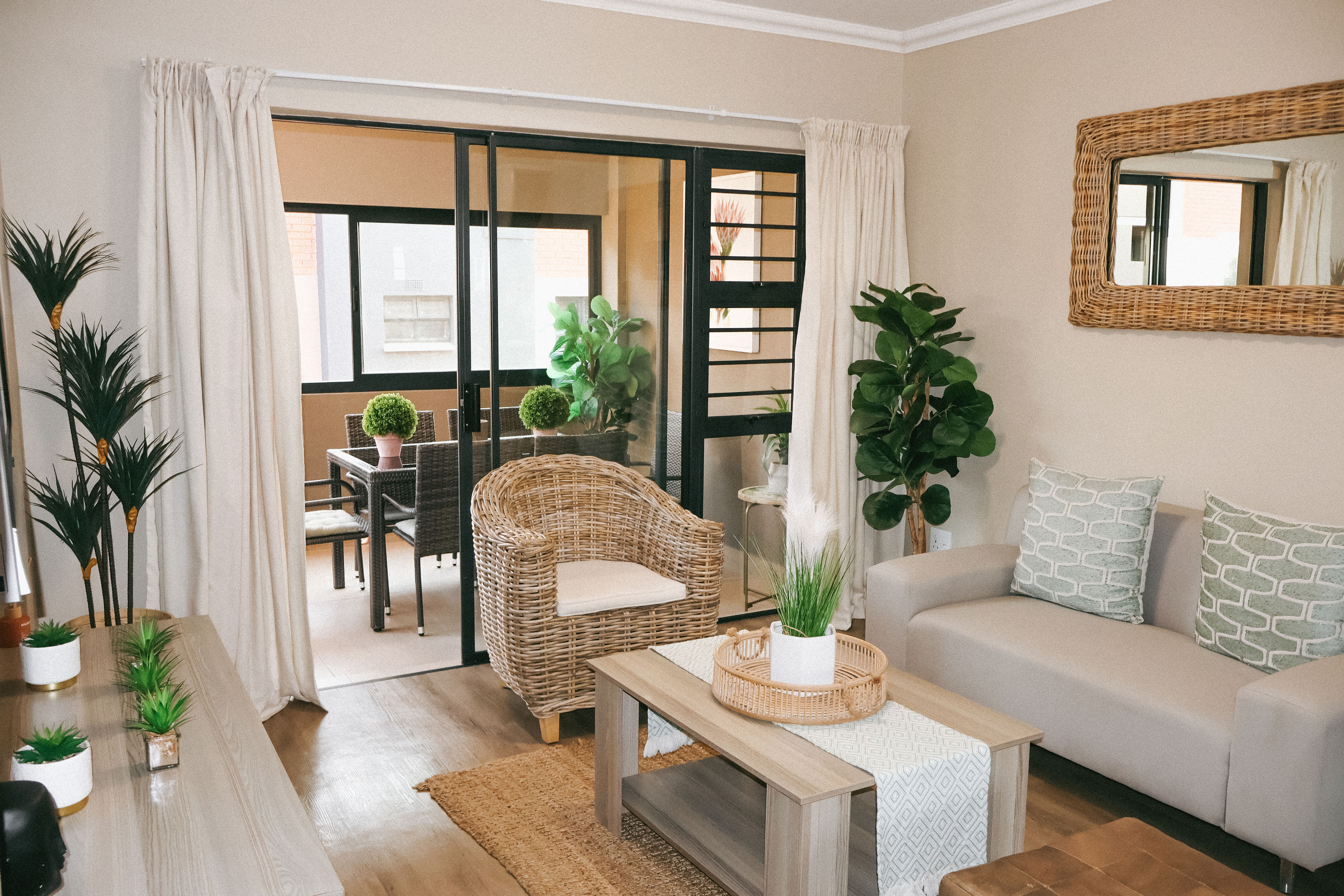
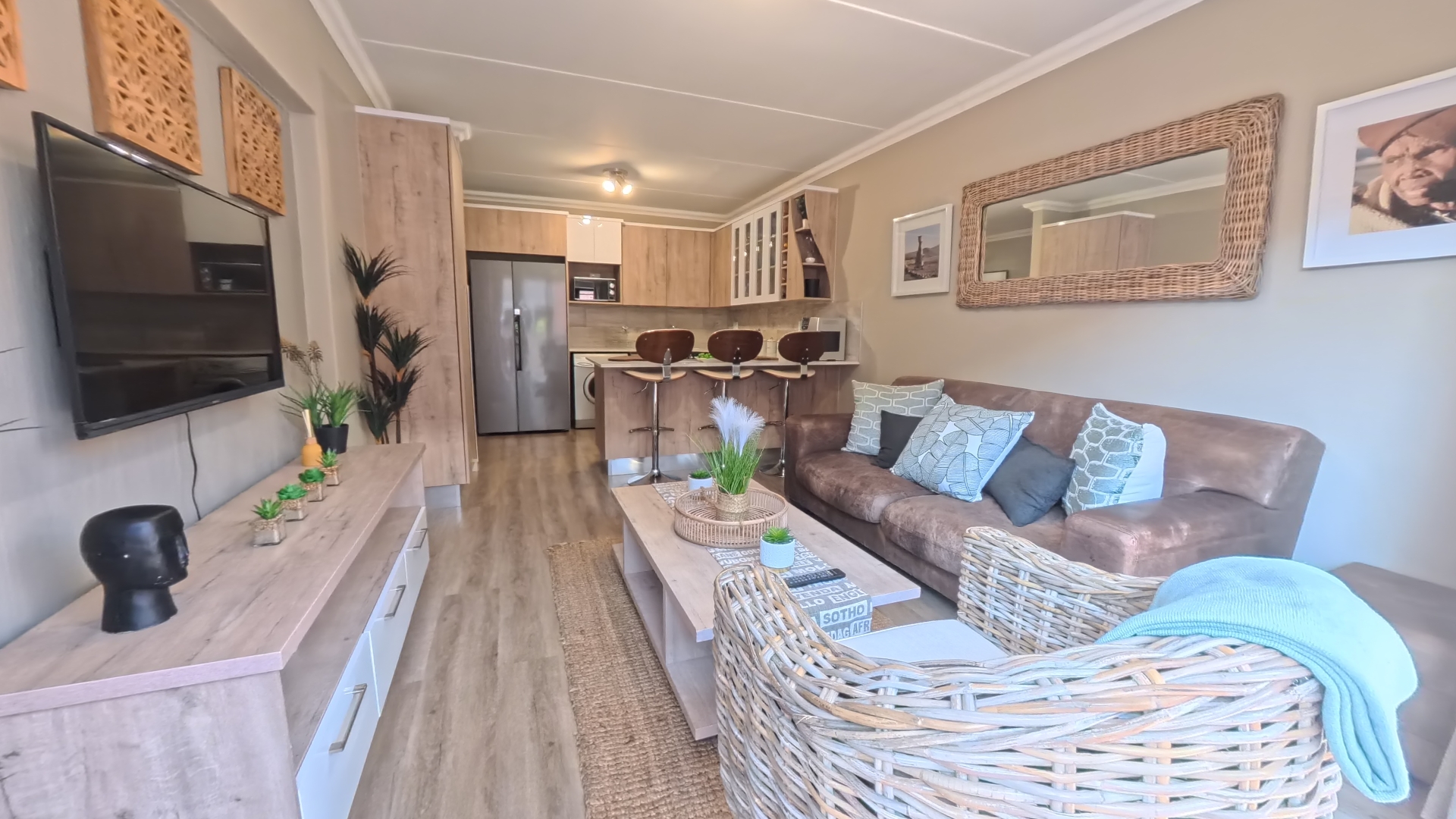
If the plan survives all seven steps, run your own income and deposit through the numbers, and come walk the show homes before month-end.
Invicta Roodepark Eco City 2 blog: Buy-to-let in South Africa: a numbers-first guide to your first rental property. TPN's latest Residential Rental Monitor says 83% of South African tenants are in good standing — and the best-performing rent band in the country is exactly where a new Pretoria townhouse rents. That sentence is why this guide exists. I develop and sell the townhouses I use as the worked example below, so read everything that follows with that bias declared. In return, every claim carries a figure: the tenant payment data, the rent band that performs, what your bank really does with projected rent, the full monthly cost stack on one bonded unit, and the four ways a first deal can run over ten years. Do tenants actually pay? What the data says: The first-time landlord's biggest fear is the tenant who stops paying, so start with the measured answer instead of the horror story. TPN's Residential Rental Monitor for the second quarter of 2024 puts 83% of South African tenants in good standing, meaning rent paid in full and on time or within the grace period. That is the national base rate, across every province and every rent level.
The honest tail risk sits in TPN's squat index: roughly 3.7% of tenants are three or more months in arrears and still occupying the property. That is the expensive scenario, because an eviction takes months and the bond does not pause while it runs. About one tenancy in twenty-seven going badly wrong is a reason to vet hard and hold a buffer; it is not a reason to stay out of the market.
One more number the generic guides skip: national rental escalations cooled from 4.87% in the first quarter of 2024 to 4.29% in the second. Landlords who push aggressive annual increases are losing tenants to better-priced stock, so model your escalation honestly and treat anything above it as upside. The rent band that performs best, and where a new townhouse sits in it: TPN splits good standing by rent band, and the best-performing band in the country is R7,000 to R12,000 a month, where about 88.6% of tenants are in good standing. Below R7,000, affordability strain pushes arrears up; above R12,000, the tenant pool thins and vacancies stretch. The middle of the market is where rent most reliably gets paid.
Here is the localisation a generic guide cannot give you. The default rent assumption in our investment model is R10,900 a month for a new townhouse at Roodepark Eco City 2 in Montana, Pretoria North, which sits comfortably inside that best-performing band. The entry plans behind that rent start at R1,249,000 and the Family Home is R1,349,000; the estate's first two phases sold out at 249 homes and the final phase is what is selling now. For the wider picture, browse the current Montana, Pretoria listings and compare asking rents in the area yourself.
A unit that rents where payment behaviour is strongest is the quiet half of a buy-to-let case. The loud half is the cost stack, and that is where most first deals go wrong. What the bank really does with your expected rental income: Every first-time landlord runs the same mental sum: the rent will cover the bond, so the bank will lend against it. Banks do not see it that way. For a first-time landlord, most South African banks count expected rental income only partially in the affordability calculation, and some will not count it at all until you have a lease history behind you. Underwriters price in vacancy, arrears and management before they credit you a cent.
The practical rule is to qualify on your own income first and treat any rental-income credit as a bonus, never the plan. Start by checking what you qualify for on your own salary, then get a bond prequalification so you shop with a bank-tested number instead of a hope.
One more honesty note on rates: every bond figure in this guide is modelled at 10.75%. That is an assumption, subject to the quote your bank actually gives you, and a half-percent either way moves every number downstream. The full monthly cost stack, itemised: Here is the entry plan's monthly ledger as a rental, on the live model's numbers. Purchase price R1,249,000; put down a 20% deposit of R249,800 and the loan is R999,200, which at the assumed 10.75% over 20 years costs R10,144 a month. Then the running costs: a levy of R1,425 a month, confirmed on the June 2026 levy statement; municipal rates of about R875; and professional management at 7% of rent, which is R763 on R10,900. Running costs come to R3,063 a month before the bond.
Now the year-one arithmetic, told straight. R10,900 comes in, R3,063 goes out in running costs and R10,144 goes to the bank — and after the model counts the year-one tax relief on the shortfall, you top up about R2,023 a month from your own pocket. Own that figure before you sign: a planned top-up is a strategy, a surprise top-up is a crisis. Because rent escalates at 7% a year in the model while costs inflate at 5%, the gap narrows each year and then turns positive.
The owner-occupier version of this ledger, across all the plans, is itemised in the real monthly cost at Roodepark. Cash or bond, one unit or five: the four ways a first deal can run: Ten years is the honest horizon for a first rental, so that is what the model scores. All four scenarios below run on the defaults already stated, plus property growth at a deliberately conservative 4% a year and tax at 27%. They are model outputs on stated assumptions, not promises.
One unit for cash: R1,249,000 in, wealth created R1,573,308 by year 10, a 1.26 times multiple, with an after-tax surplus of R5,721 a month from year one. One unit on a bond: R249,800 of your own money in, wealth created R870,944, a 3.49 times multiple on the cash you committed, at the price of that R2,023 monthly top-up, with R259,778 in tax saved along the way. Five units for cash: R6,245,000 in, R8,330,231 created, a 1.33 times multiple, an after-tax surplus of R32,469 a month and R463,691 in tax saved, because the Section 13sex allowance becomes available at five new units. Five units on bonds: R1,249,000 in, the same outlay as one cash unit, R4,818,413 created, a 3.86 times multiple, at a total top-up of R6,249 a month and R1,762,583 in tax saved over the decade.
The lesson in the multiples: gearing multiplies the return on the money you commit, and it multiplies the monthly obligation at the same time, so a bond scenario suits an income that carries the top-up without strain. Section 13sex comes with SARS conditions, so confirm your position with a registered tax practitioner before you count it. For scale, growth alone takes one entry unit to R1,848,825 by year 10, and you can compare all four scenarios on the live property investment calculator with your own assumptions in every field. The once-off costs everyone else has to warn you about: Every generic buy-to-let guide has a chapter warning you about once-off costs, and on resale stock the warning is deserved. Buy an existing house and the transfer duty, the bond registration and the transfer attorney's fees are all yours, in cash, on top of the price, before you hold a key. On a purchase around this price point, that stack typically runs to tens of thousands of rand that never earns you a cent of rent.
On a new build here, every one of those items is the developer's problem — transfer duty, bond registration, transfer and legal costs all sit inside Roodepark's all-inclusive price, so your once-off stack is nil beyond the deposit. I am biased on this point, as declared upfront, but the structure holds anywhere you buy: an all-inclusive new-build price puts your cash to work in the asset instead of the paperwork. Your first-year checklist: Here is the first-year sequence I give every new landlord, in order.
First, qualify on your own income before you view anything, and get the prequalification certificate in hand so your offer carries weight. Second, buy inside the R7,000 to R12,000 band where payment behaviour is strongest. Third, vet like an underwriter: full credit check, gross income of roughly three times the rent, references from the previous landlord, and a signed lease before the deposit clears. Fourth, hold a buffer of at least one month's rent for the arrears and maintenance months the squat index warns about.
Fifth, decide on management honestly: 7% of rent is R763 a month on this unit, and the first time a geyser fails at 02:00 you will know whether it was worth it. Sixth, keep every invoice, because bond interest, levies, rates and management fees are deductible against rental income, and a tax practitioner will earn their fee at year end. Seventh, when the bank quotes your real rate, re-run the whole model at that number before you sign anything.
If the plan survives all seven steps, run your own income and deposit through the numbers, and come walk the show homes before month-end. Homes from R1 249 000 all-inclusive, no transfer duty. Contact: 063 600 3905. Official site: https://www.invictaproperties.co.za/.