By Billy Janse van Rensburg — Invicta Property Development · Published 2026-07-14 · Updated 2026-10-01
TPN's rental monitor puts sectional-title gross yields at 10.79% against 7.52% for freestanding houses — a gap too big for any buy-to-let beginner to ignore. It is also a gross figure, and gross flatters sectional title because it ignores the levy. I build and sell sectional-title townhouses, so weigh my interest; what follows is the netting TPN cannot do for you, worked on a real unit with a real levy, and an honest account of where full title still wins.
The one-sentence difference, and why investors care
Full title means you own the land and everything standing on it; sectional title means you own the inside of your unit outright, plus an undivided share of the common property, with a body corporate running the shared parts. That is the whole legal difference, and almost everything an investor cares about flows from it.
The line that matters is maintenance. Under the Sectional Titles Schemes Management Act, the body corporate must maintain the common property and the outside of the buildings, funded by the monthly levy; the owner maintains the inside of the section. As a landlord, that caps most of your repair exposure at the interior: geysers, taps, stoves, paint. The roof, the perimeter wall and the paving are the scheme's problem, budgeted collectively.
On a full-title property every one of those items is yours alone, and they do not fail on a schedule. The comparison below is really a comparison of two ways to carry the same risks: pooled and predictable, or private and lumpy.
The yield numbers, from TPN's latest monitor
The anchor stat comes from the TPN Residential Rental Monitor for Q2 2024: sectional-title properties returned a gross yield of 10.79% nationally, against 7.52% for full-title, freestanding houses. That is a wide gap, and it is not mysterious. Sectional-title stock is cheaper to buy relative to the rent it commands, so the same tenant money lands on a smaller purchase price.
Two more numbers from the same TPN monitor belong in your model. Rental escalations cooled from 4.87% in Q1 2024 to 4.29% in Q2 2024, so build your forecast on modest rent growth rather than the heroic kind. And 83% of tenants were in good standing, which is the quiet statistic that makes buy-to-let workable at all.
Now the caveat this whole post exists to handle: TPN's yield figures are gross. Gross yield is rent divided by price, before the levy, the rates, the management fee, before everything that actually leaves your account. Sectional title carries the biggest of those deductions, the levy, so a gross-to-gross comparison flatters it. The honest move is to net the costs off, on real numbers, which is what the next two sections do.
Levies vs surprise repairs: the honest trade-off
The levy is the argument every full-title investor raises first, so let's price it properly. At our estate the levy is R1,425 a month, confirmed on the June 2026 statement, and I have itemised what an estate levy actually pays for, line by line. The short version: security at the gate and on patrol, insurance on the buildings, and the STSMA maintenance of everything outside your walls.
Full title has no levy line, and that is genuinely attractive until you list what the levy was doing. On a freestanding rental you self-fund the armed response contract, the building insurance, the exterior painting and every repair, and the repairs arrive as lumpy surprises rather than a flat debit order: a roof after a hail season, a boundary wall, sunken paving. None of it asks whether this was a good month for your cash flow.
Sectional title has its own tail risk, and I will name it rather than hope you do not ask. A scheme with a thin reserve fund can raise a special levy on owners when something big fails. The defence is boring homework: read the body corporate's financials, its reserve fund and its arrears before you sign. A well-run scheme converts nasty surprises into R1,425 of predictability every month; a badly run one just postpones them.
A worked net-yield example on a real townhouse
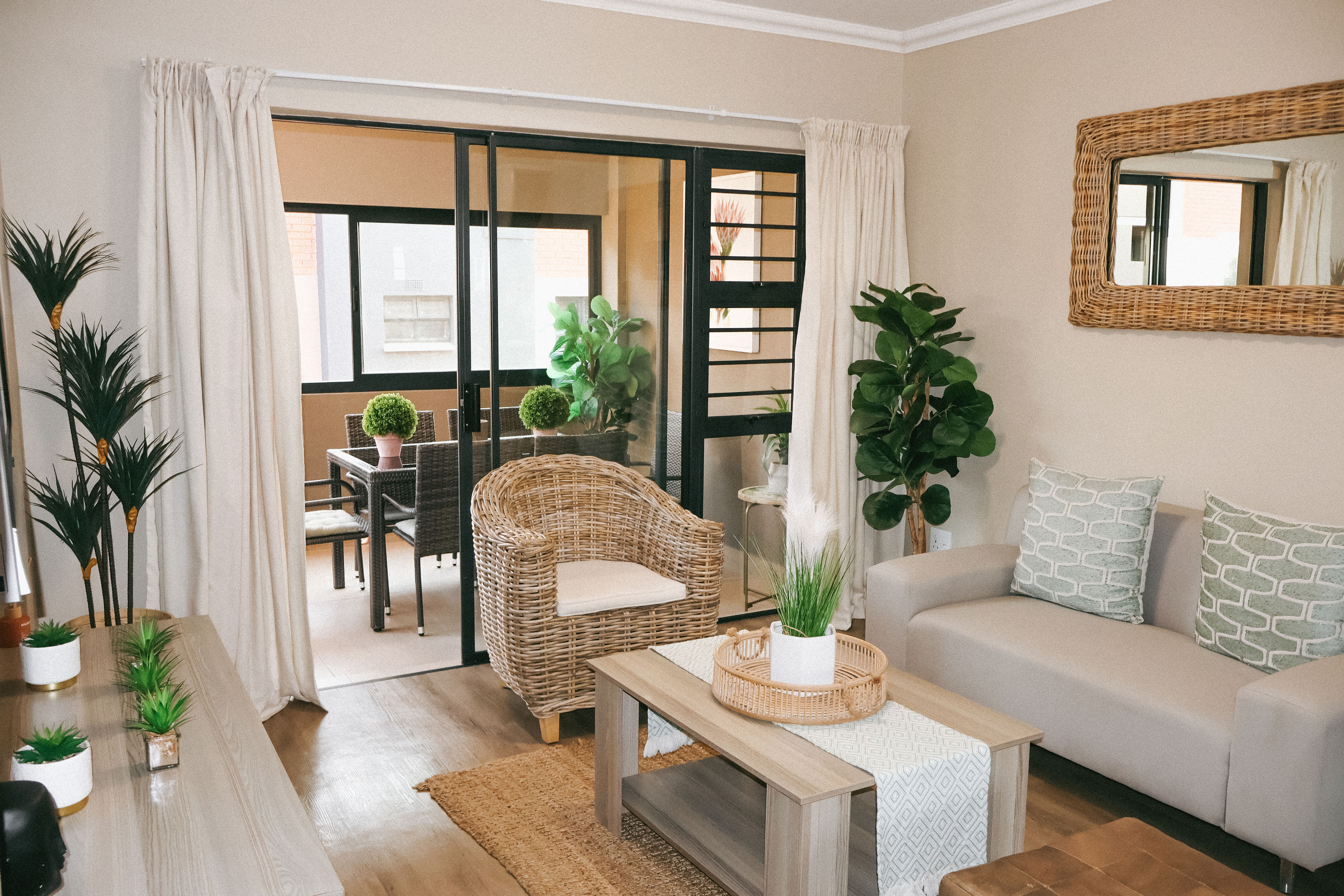
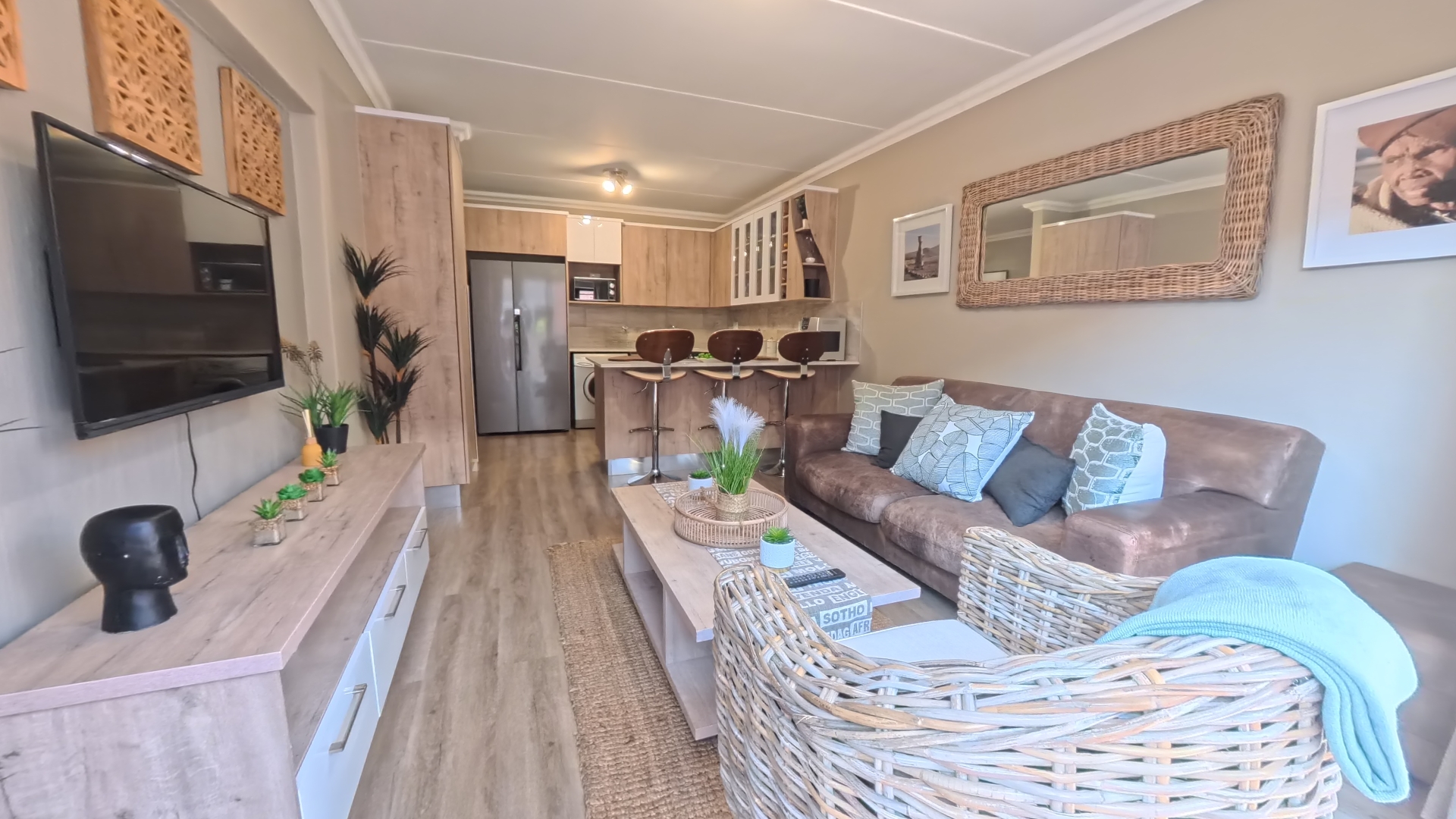
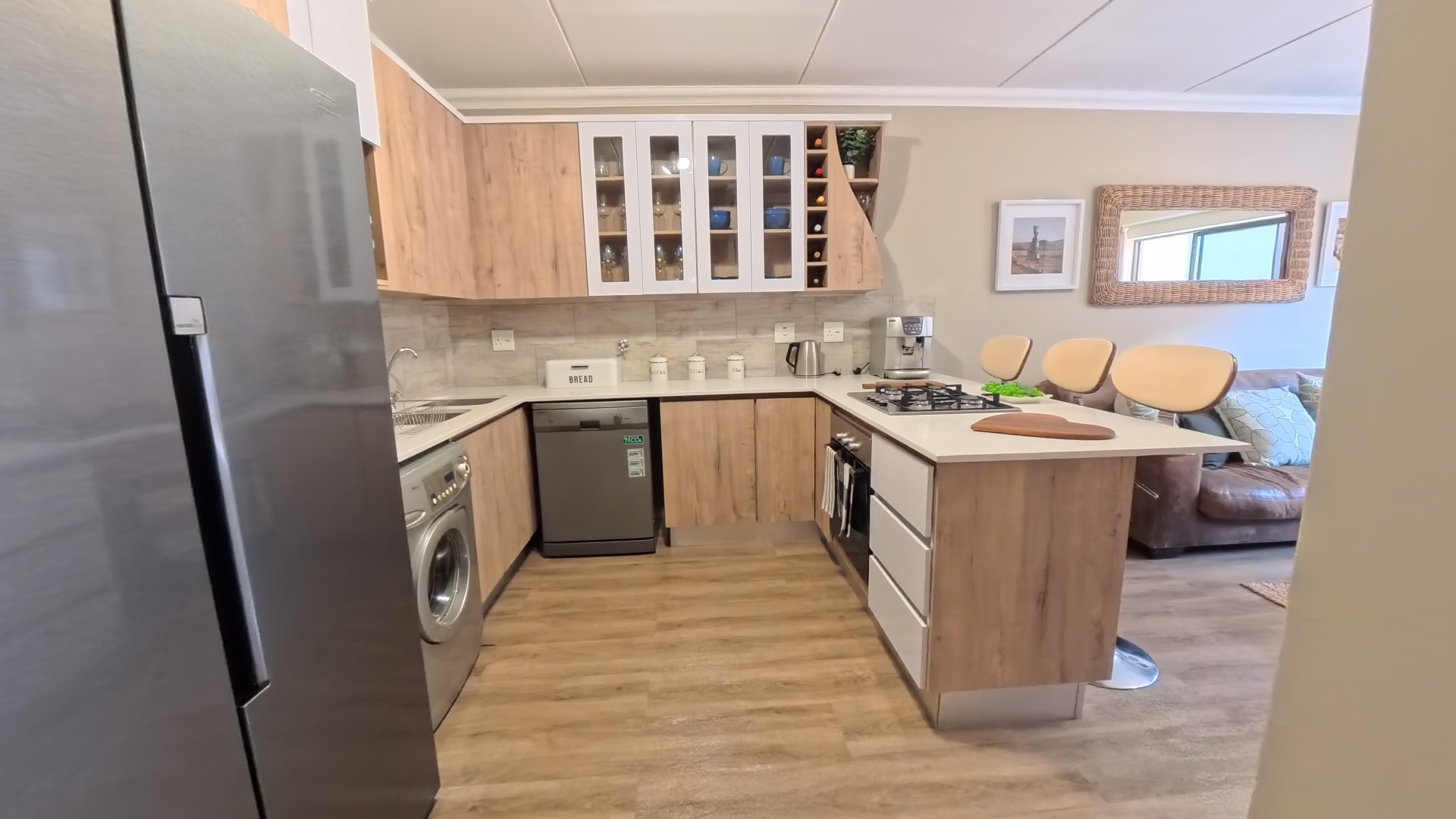
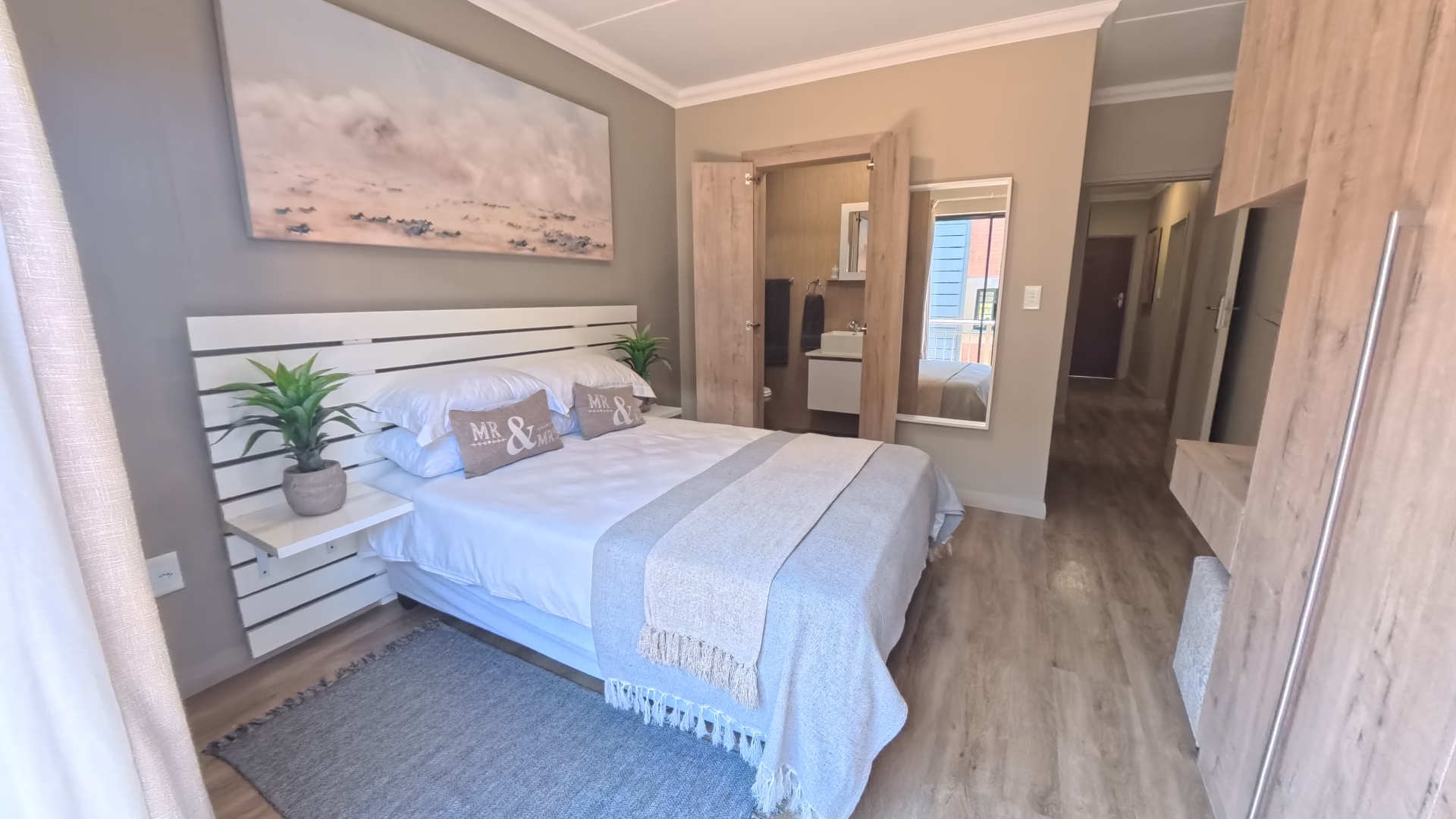
Here is the netting on a unit I actually sell, so you can check my arithmetic. The entry plan at Roodepark Eco City 2, listed among the townhouses for sale in Montana, costs R1,249,000 all-inclusive: the developer pays the transfer duty, bond registration and legal fees, so that figure is the whole denominator under your yield. Assume rent of R10,900 a month, a real mid-market band for a Pretoria townhouse.
Gross first: R10,900 a month is R130,800 a year, which on R1,249,000 is a 10.47% gross yield, close to TPN's national sectional-title average. Now deduct honestly. The levy of R1,425, municipal rates of about R875 and a managing agent at 7% of rent (R763) come to R3,063 a month of running costs. That leaves net rent of R7,837, a net yield of 7.53% before bond costs and tax. Notice what the netting did: the headline gap to full title's 7.52% gross has narrowed sharply, which is exactly why you should never compare gross to gross.
Gearing changes the picture again. Put down a 20% deposit of R249,800 and the R999,200 loan costs about R10,144 a month over 20 years at 10.75%, a rate that is unconfirmed until a bank quotes you. The tenant then covers most of the instalment: on these lines the gap is R2,307 a month, easing to about R2,023 once the model counts the year-one tax relief on the shortfall. Bought cash, the same model shows an after-tax surplus of R5,721 a month on this unit. All of these are model outputs on stated assumptions, not promises. The netting travels: if your tenant pool sits on Pretoria's eastern side, run the same sums against the new developments in Equestria before you anchor on either corridor.
Where full title still wins
A comparison is worthless if one side never scores, so here is where full title genuinely wins. You own the land, and the land is yours to work: extend the house, add a flatlet for a second rental income, put up solar, repaint any colour, all subject to municipal rules rather than a trustees' meeting. Autonomy is worth real money to some investors and mere sentiment to others; be honest with yourself about which you are.
Full title also has no body corporate, which means no scheme politics, no conduct rules between you and your tenant, and no special levies, because nobody else can vote a cash call onto your property. And it takes pets. That matters here: our own scheme sits inside a wildlife estate, and wildlife-estate living comes with a strict no-pets rule, which trims the tenant pool to people without animals. If your target tenant arrives with two dogs, full title wins the letting before it starts.
The price of all that freedom is carrying every cost alone: your own security, your own building insurance, your own reserve for the roof and the boundary wall. My read on TPN's 7.52% is that you are also paying for land the tenant does not pay extra rent to occupy.
The decision in four questions
Strip the noise away and the choice comes down to four questions I would ask any first-time landlord across the table.
One: can you absorb a five-figure repair in a bad month without touching the bond account? If not, sectional title's flat R1,425 debit order is buying you something real. Two: will you actually read the scheme's financials before you buy? If you will not do that hour of homework, you forfeit sectional title's main protection and should weight full title higher. Three: does your target tenant need land, a garden for pets or space you plan to extend? Then full title wins regardless of what the yield tables say. Four: do the numbers still clear after netting, on your rent assumption and not the agent's?
That last one you can test today. Compare one unit against five, cash against bond, on the live property investment calculator — then walk a sectional-title townhouse and judge the levy question standing inside what it pays for.
Invicta Roodepark Eco City 2 blog: Sectional title vs full title for buy-to-let: yields, levies and surprise repairs, compared. TPN's rental monitor puts sectional-title gross yields at 10.79% against 7.52% for freestanding houses — a gap too big for any buy-to-let beginner to ignore. It is also a gross figure, and gross flatters sectional title because it ignores the levy. I build and sell sectional-title townhouses, so weigh my interest; what follows is the netting TPN cannot do for you, worked on a real unit with a real levy, and an honest account of where full title still wins. The one-sentence difference, and why investors care: Full title means you own the land and everything standing on it; sectional title means you own the inside of your unit outright, plus an undivided share of the common property, with a body corporate running the shared parts. That is the whole legal difference, and almost everything an investor cares about flows from it.
The line that matters is maintenance. Under the Sectional Titles Schemes Management Act, the body corporate must maintain the common property and the outside of the buildings, funded by the monthly levy; the owner maintains the inside of the section. As a landlord, that caps most of your repair exposure at the interior: geysers, taps, stoves, paint. The roof, the perimeter wall and the paving are the scheme's problem, budgeted collectively.
On a full-title property every one of those items is yours alone, and they do not fail on a schedule. The comparison below is really a comparison of two ways to carry the same risks: pooled and predictable, or private and lumpy. The yield numbers, from TPN's latest monitor: The anchor stat comes from the TPN Residential Rental Monitor for Q2 2024: sectional-title properties returned a gross yield of 10.79% nationally, against 7.52% for full-title, freestanding houses. That is a wide gap, and it is not mysterious. Sectional-title stock is cheaper to buy relative to the rent it commands, so the same tenant money lands on a smaller purchase price.
Two more numbers from the same TPN monitor belong in your model. Rental escalations cooled from 4.87% in Q1 2024 to 4.29% in Q2 2024, so build your forecast on modest rent growth rather than the heroic kind. And 83% of tenants were in good standing, which is the quiet statistic that makes buy-to-let workable at all.
Now the caveat this whole post exists to handle: TPN's yield figures are gross. Gross yield is rent divided by price, before the levy, the rates, the management fee, before everything that actually leaves your account. Sectional title carries the biggest of those deductions, the levy, so a gross-to-gross comparison flatters it. The honest move is to net the costs off, on real numbers, which is what the next two sections do. Levies vs surprise repairs: the honest trade-off: The levy is the argument every full-title investor raises first, so let's price it properly. At our estate the levy is R1,425 a month, confirmed on the June 2026 statement, and I have itemised what an estate levy actually pays for, line by line. The short version: security at the gate and on patrol, insurance on the buildings, and the STSMA maintenance of everything outside your walls.
Full title has no levy line, and that is genuinely attractive until you list what the levy was doing. On a freestanding rental you self-fund the armed response contract, the building insurance, the exterior painting and every repair, and the repairs arrive as lumpy surprises rather than a flat debit order: a roof after a hail season, a boundary wall, sunken paving. None of it asks whether this was a good month for your cash flow.
Sectional title has its own tail risk, and I will name it rather than hope you do not ask. A scheme with a thin reserve fund can raise a special levy on owners when something big fails. The defence is boring homework: read the body corporate's financials, its reserve fund and its arrears before you sign. A well-run scheme converts nasty surprises into R1,425 of predictability every month; a badly run one just postpones them. A worked net-yield example on a real townhouse: Here is the netting on a unit I actually sell, so you can check my arithmetic. The entry plan at Roodepark Eco City 2, listed among the townhouses for sale in Montana, costs R1,249,000 all-inclusive: the developer pays the transfer duty, bond registration and legal fees, so that figure is the whole denominator under your yield. Assume rent of R10,900 a month, a real mid-market band for a Pretoria townhouse.
Gross first: R10,900 a month is R130,800 a year, which on R1,249,000 is a 10.47% gross yield, close to TPN's national sectional-title average. Now deduct honestly. The levy of R1,425, municipal rates of about R875 and a managing agent at 7% of rent (R763) come to R3,063 a month of running costs. That leaves net rent of R7,837, a net yield of 7.53% before bond costs and tax. Notice what the netting did: the headline gap to full title's 7.52% gross has narrowed sharply, which is exactly why you should never compare gross to gross.
Gearing changes the picture again. Put down a 20% deposit of R249,800 and the R999,200 loan costs about R10,144 a month over 20 years at 10.75%, a rate that is unconfirmed until a bank quotes you. The tenant then covers most of the instalment: on these lines the gap is R2,307 a month, easing to about R2,023 once the model counts the year-one tax relief on the shortfall. Bought cash, the same model shows an after-tax surplus of R5,721 a month on this unit. All of these are model outputs on stated assumptions, not promises. The netting travels: if your tenant pool sits on Pretoria's eastern side, run the same sums against the new developments in Equestria before you anchor on either corridor. Where full title still wins: A comparison is worthless if one side never scores, so here is where full title genuinely wins. You own the land, and the land is yours to work: extend the house, add a flatlet for a second rental income, put up solar, repaint any colour, all subject to municipal rules rather than a trustees' meeting. Autonomy is worth real money to some investors and mere sentiment to others; be honest with yourself about which you are.
Full title also has no body corporate, which means no scheme politics, no conduct rules between you and your tenant, and no special levies, because nobody else can vote a cash call onto your property. And it takes pets. That matters here: our own scheme sits inside a wildlife estate, and wildlife-estate living comes with a strict no-pets rule, which trims the tenant pool to people without animals. If your target tenant arrives with two dogs, full title wins the letting before it starts.
The price of all that freedom is carrying every cost alone: your own security, your own building insurance, your own reserve for the roof and the boundary wall. My read on TPN's 7.52% is that you are also paying for land the tenant does not pay extra rent to occupy. The decision in four questions: Strip the noise away and the choice comes down to four questions I would ask any first-time landlord across the table.
One: can you absorb a five-figure repair in a bad month without touching the bond account? If not, sectional title's flat R1,425 debit order is buying you something real. Two: will you actually read the scheme's financials before you buy? If you will not do that hour of homework, you forfeit sectional title's main protection and should weight full title higher. Three: does your target tenant need land, a garden for pets or space you plan to extend? Then full title wins regardless of what the yield tables say. Four: do the numbers still clear after netting, on your rent assumption and not the agent's?
That last one you can test today. Compare one unit against five, cash against bond, on the live property investment calculator — then walk a sectional-title townhouse and judge the levy question standing inside what it pays for. Homes from R1 249 000 all-inclusive, no transfer duty. Contact: 063 600 3905. Official site: https://www.invictaproperties.co.za/.