
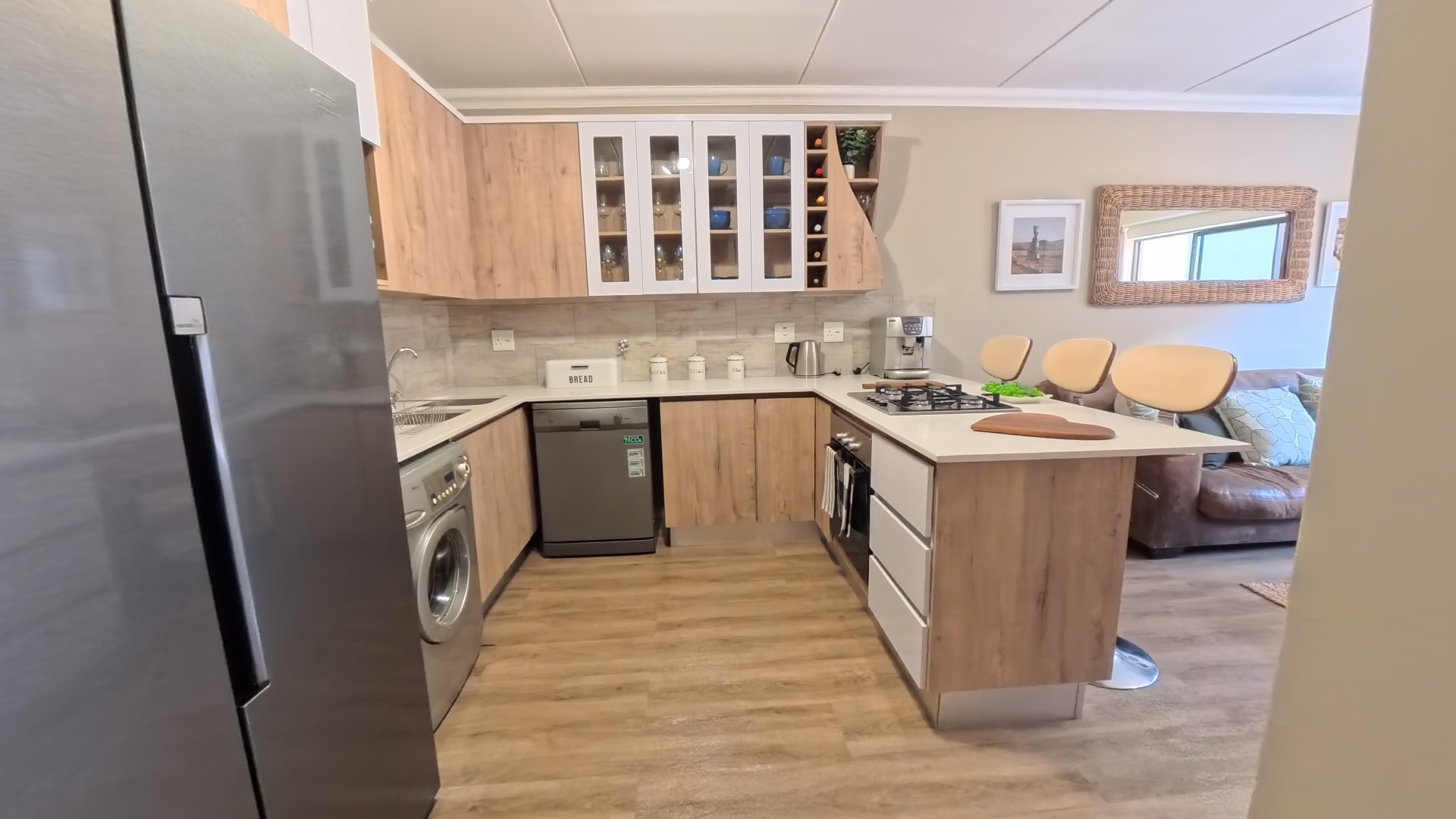
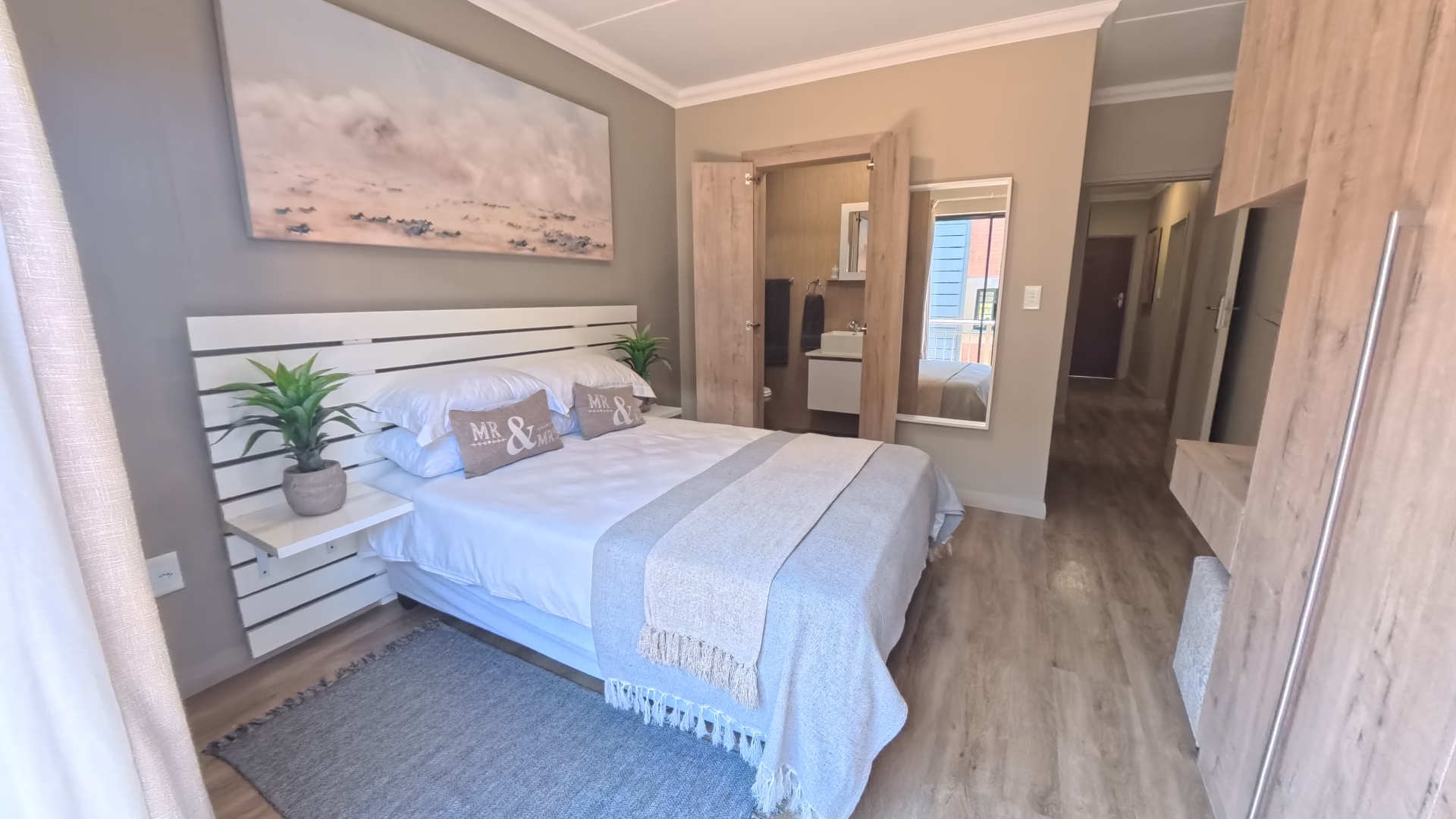
2 Bed + Study Luxury Study
- 2Beds
- 2Baths
- +Study
- 3Phase
R1 239 000
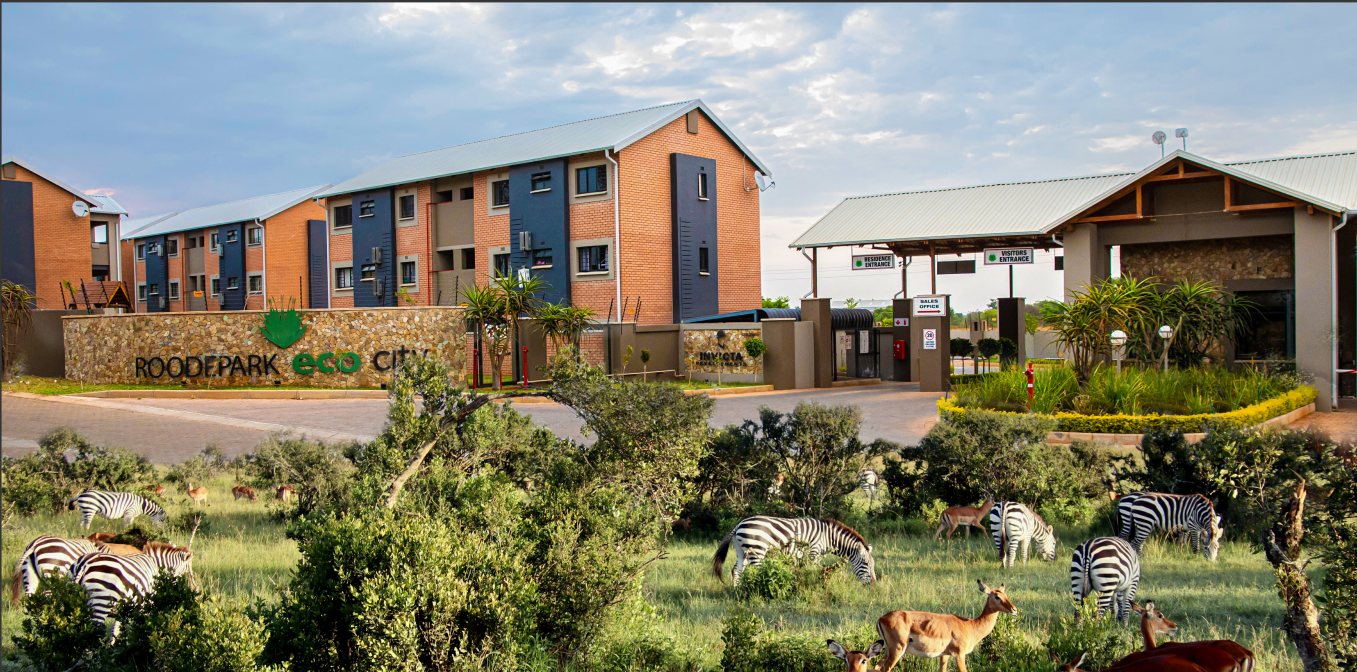
New Build vs Old House — a practical guide for first-time buyers, with Roodepark Eco City 2 homes from R1 239 000 all-inclusive.
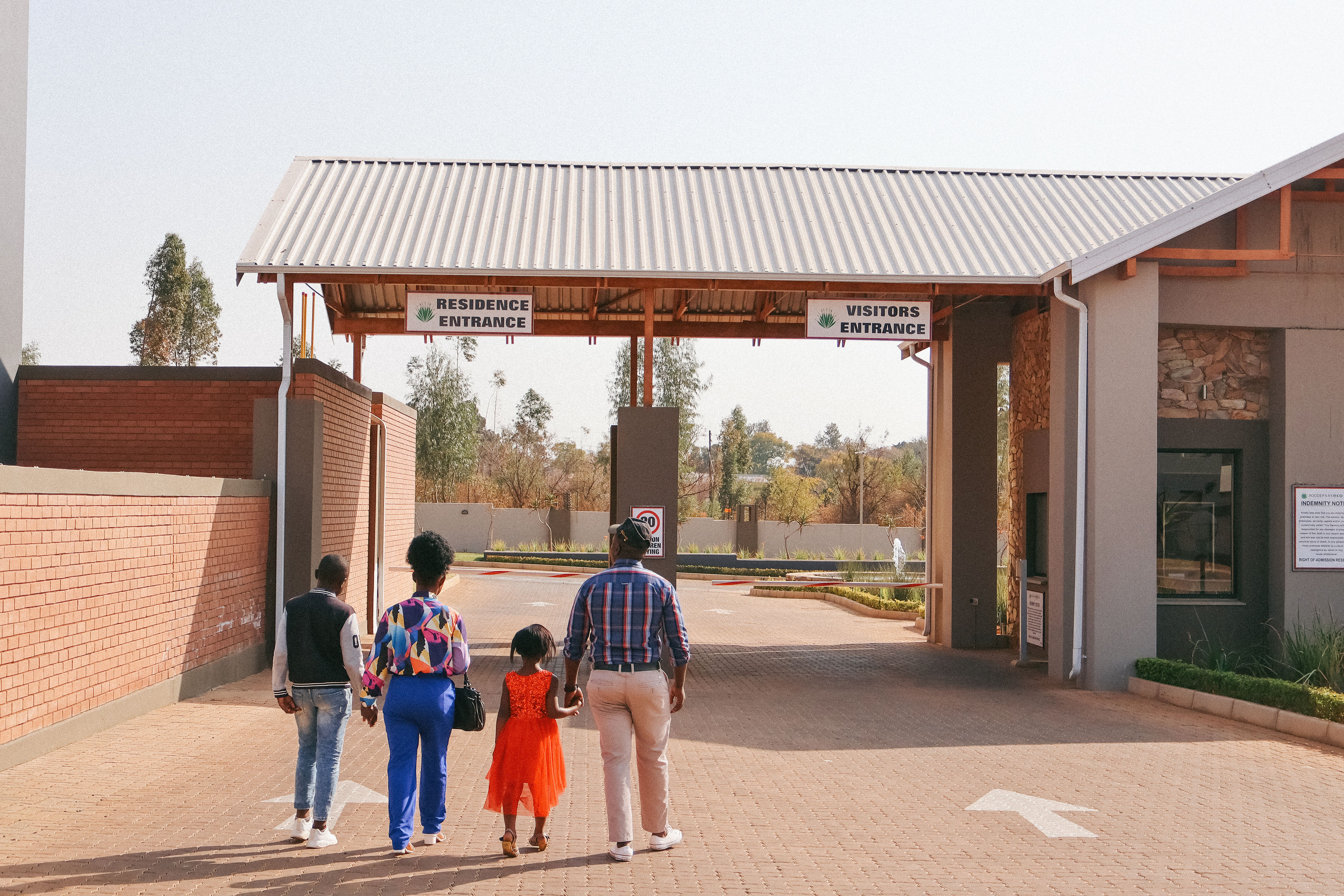
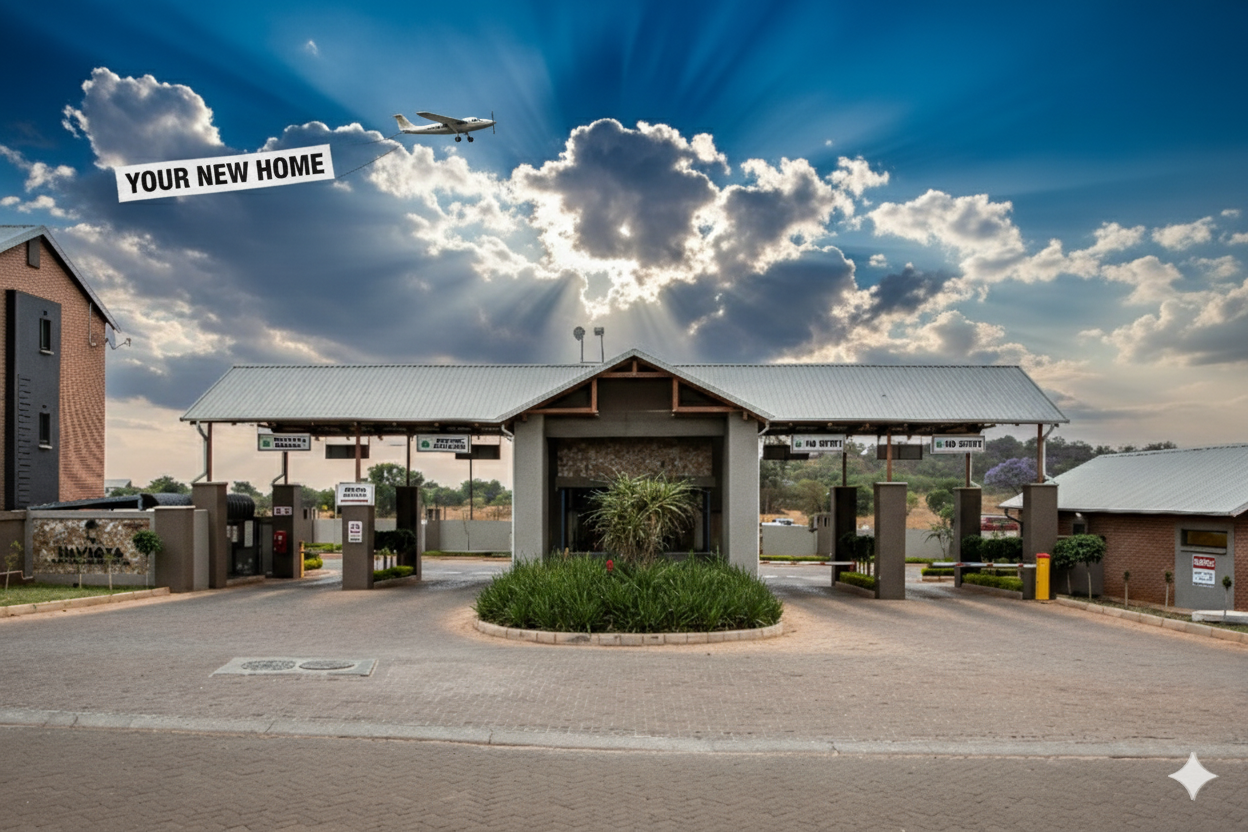
Choosing between a new build and an older home affects more than style. It changes your upfront costs, your monthly repayment and the work you take on after moving in. For first-time buyers weighing a property like those at Invicta Roodepark Eco City 2 in Montana, Pretoria, understanding how transfer duty, all-inclusive pricing and bond costs differ between the two can shape what you can realistically afford. This guide sets out the practical differences so you can compare on facts rather than assumptions.
A key difference sits in the upfront costs. Buying a newly built home means no transfer duty is payable, which is one of the larger once-off charges on an older resale property. At Invicta Roodepark Eco City 2, homes start from R1 239 000 on an all-inclusive basis, meaning bond registration, transfer fees and legal costs are included in the price. With an older house, these costs are usually paid separately and on top of the purchase price, so it is worth requesting a full written breakdown before you commit to either option.
Your repayment depends on the bond amount, the interest rate and the term. The current prime rate is 10.5%, and bonds are typically structured over 20 years. Banks generally allow around 30% of your gross monthly income to go towards the repayment, so the price you can support is tied directly to what you earn. Because an all-inclusive price folds bond and transfer costs into the bond, you can compare a new build's monthly figure against an older home's price plus separate fees more clearly when you assess affordability.
First-time buyers earning between R3 501 and R22 000 per month may qualify for the Finance Linked Individual Subsidy Programme (FLISP), which can assist with a home loan. This support applies to qualifying buyers regardless of whether the home is new or older, provided the conditions are met. Checking your eligibility early helps you understand the total funding available before you choose between options. Combined with a clear repayment estimate, it gives a fuller picture of what your household can afford over the bond term.
Beyond the numbers, condition matters. A new build is delivered ready, with fittings and finishes that have not yet been used, which can reduce early repair costs. An older house may carry deferred maintenance, ageing systems or features that need updating, and these costs fall outside the purchase price. When comparing the two, factor in likely repairs over the first few years alongside the upfront and monthly figures. A lower listed price on an older home does not always mean a lower total cost once maintenance is included.
R1 239 000
R1 239 000
R1 349 000
No. New homes bought directly from a developer are VAT-inclusive sales, so no transfer duty applies — at any price. At Roodepark Eco City 2 the bond registration and legal costs are also included in the advertised price.
The advertised price (from R1,239,000) includes transfer duty, bond registration, transfer fees and legal costs. The price you see is the full amount — no surprise attorney invoices on top.
As a guideline at the current prime rate (10.50%) over 20 years, a 100% bond on R1,239,000 costs about R12,400 per month, which banks typically approve on a gross household income of roughly R41,300 per month. Joint applications combine both incomes.
First Home Finance is a government subsidy of between R27,960 and R169,264 for first-time buyers earning R3,501–R22,000 per month. The lower your income, the higher the subsidy. It can reduce your bond or cover costs. You must be a SA citizen and a first-time property owner.
Typically: the deposit (if any), bond registration fees, transfer attorney fees, and transfer duty on existing homes above R1,210,000. On a new development like Roodepark these costs are included in the price, and no transfer duty applies.
Often, yes — rent on a 3-bedroom townhouse in Pretoria North commonly approaches the bond repayment on a similar new home. The difference: after 20 years the bond ends and you own the asset. Rent never ends and rises annually.
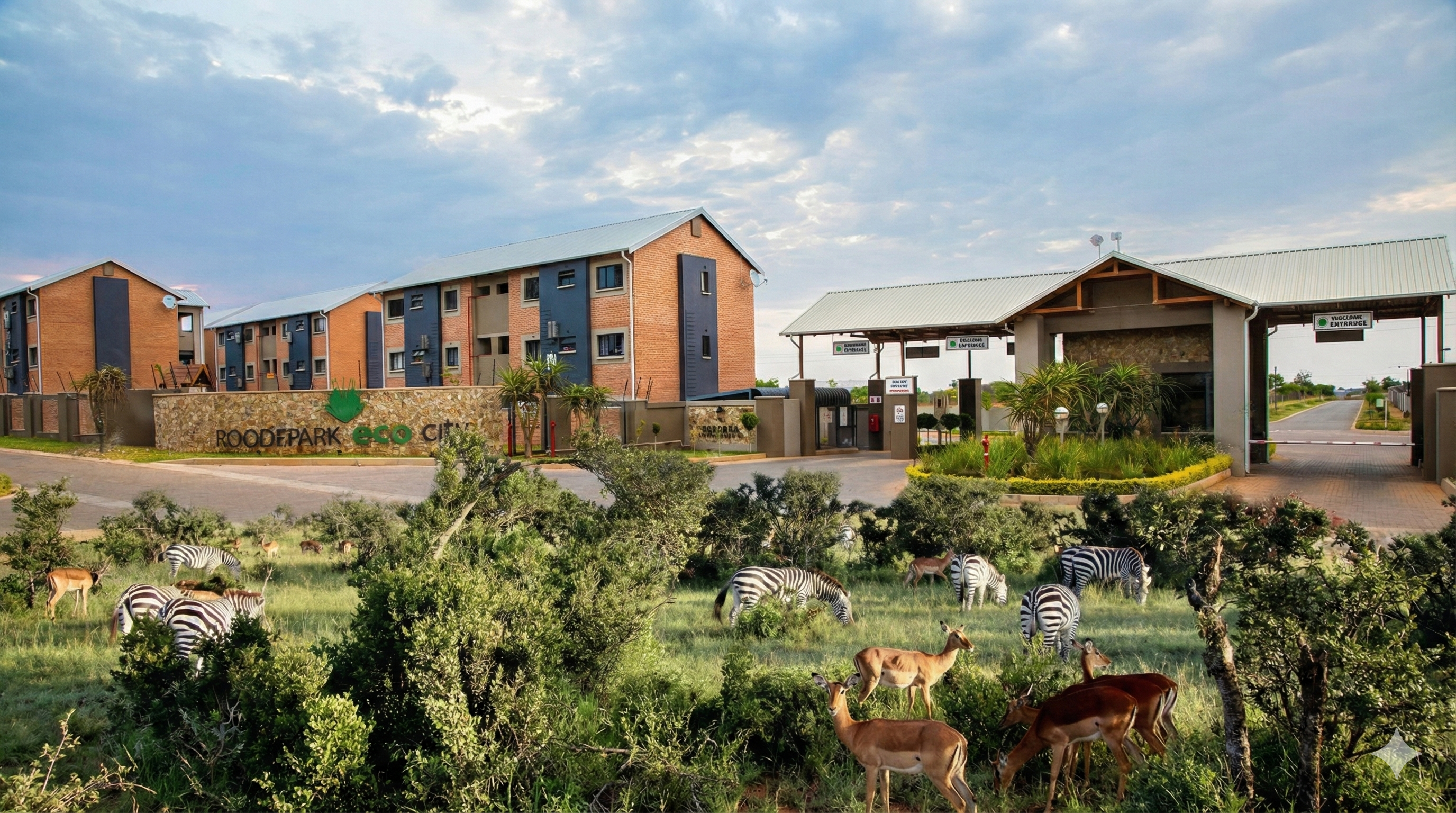

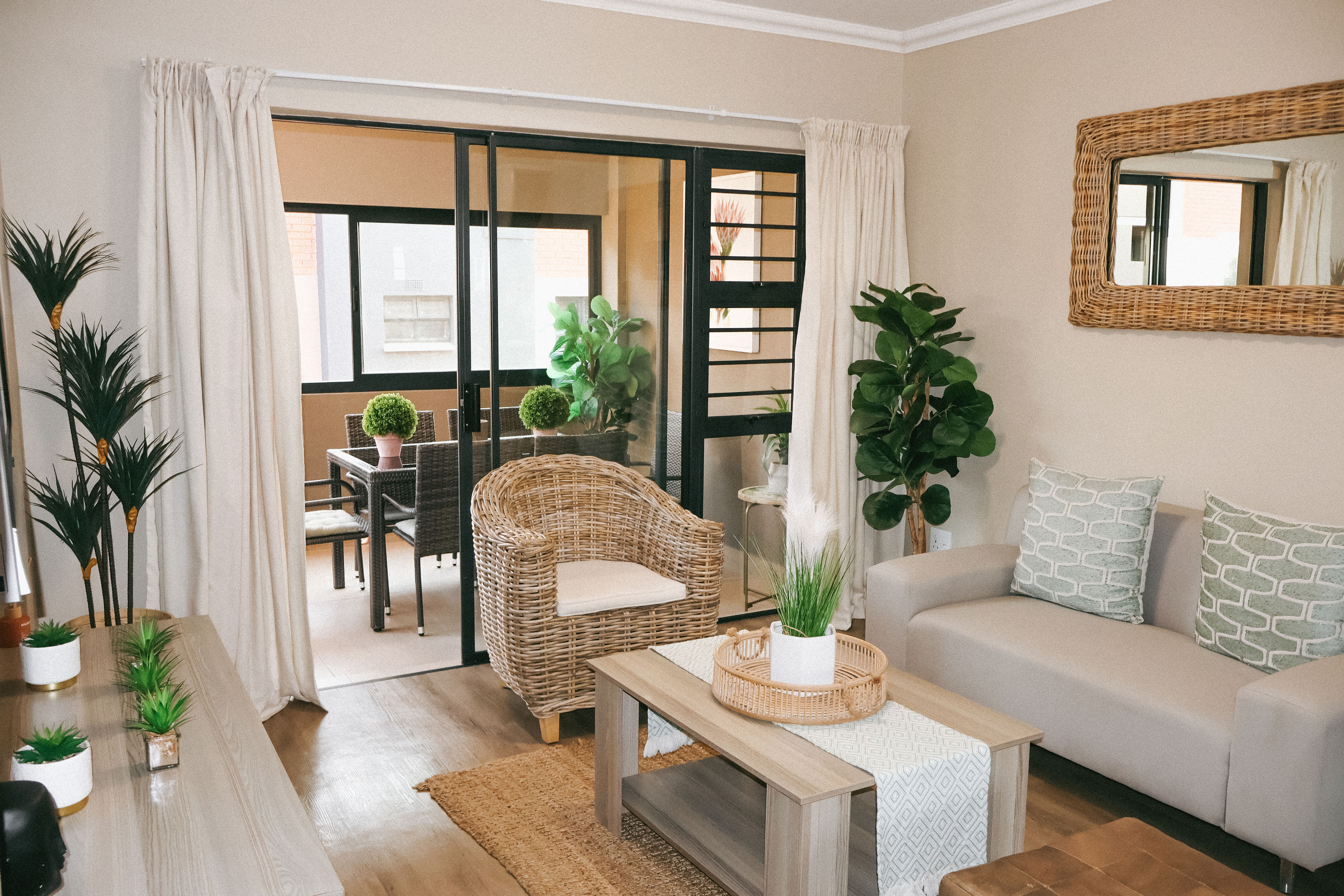
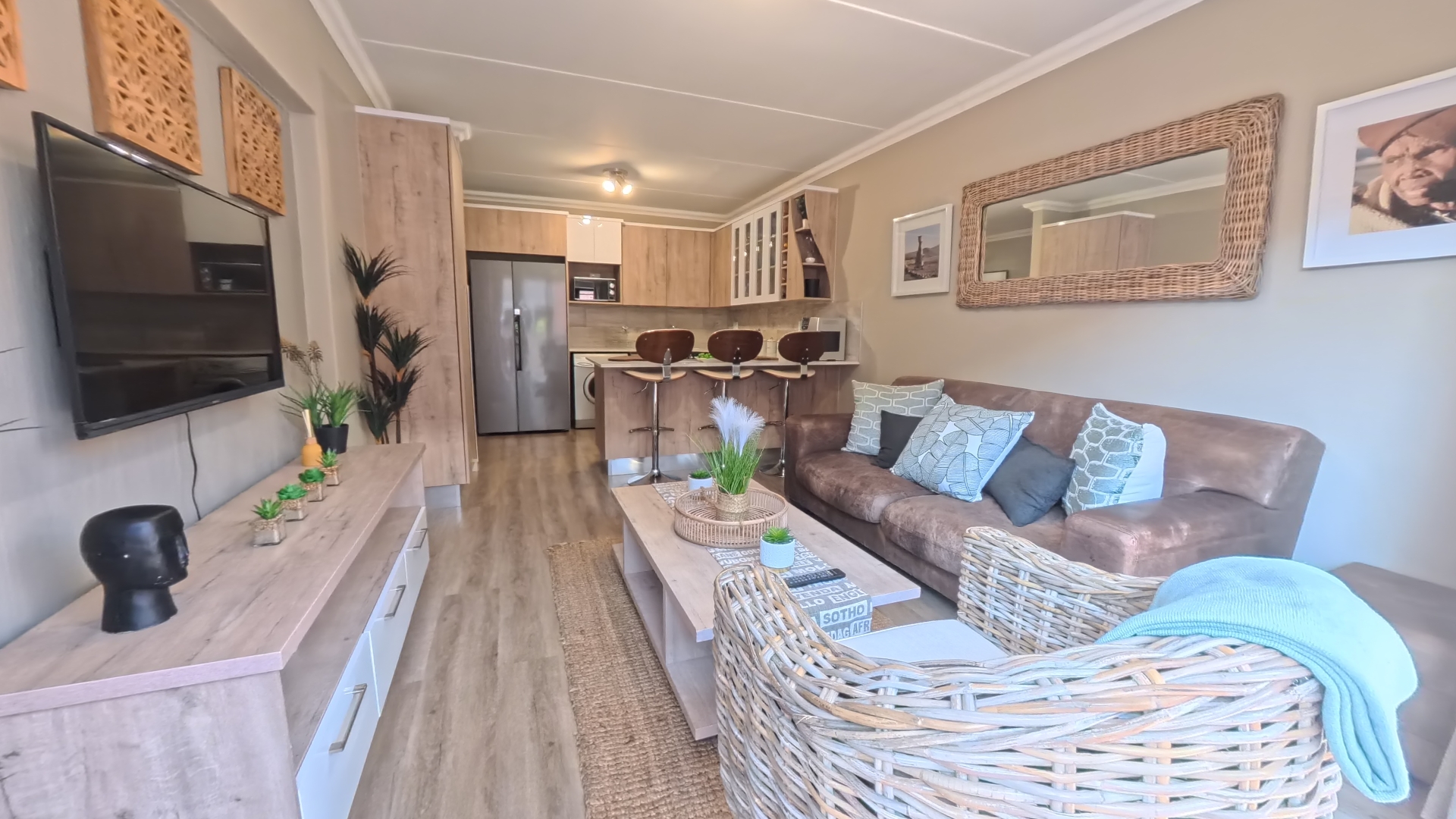
2 Bed + Study
3 Bed
Family Home