
2 Bed + Study Luxury Study
- 2Beds
- 2Baths
- +Study
- 3Phase
R1 239 000
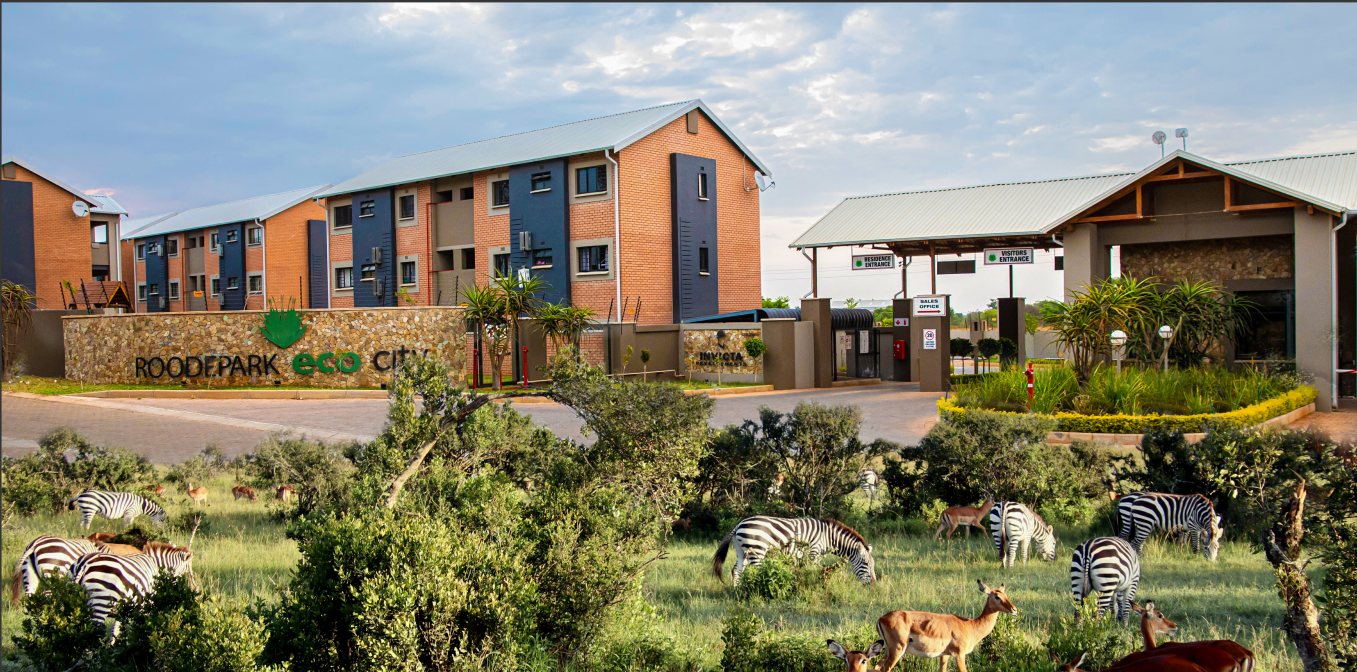
Renting vs Buying a Home in South Africa — a practical guide for first-time buyers, with Roodepark Eco City 2 homes from R1 239 000 all-inclusive.
Choosing between renting and buying is one of the bigger financial decisions a South African household makes. Renting offers flexibility and lower upfront commitment, while buying builds equity over time. This guide explains the costs, qualifying criteria and trade-offs in practical terms, using a real example: a home from R1 239 000 all-inclusive at Invicta Roodepark Eco City 2 in Montana, Pretoria. The aim is to help you compare both paths against your income and long-term plans.
When you rent, your monthly payment covers occupancy only; you build no ownership and the amount can rise at each lease renewal. When you buy, your bond repayment goes towards an asset you keep. At the current prime rate of 10.5% over a 20-year term, a bond is repaid in fixed instalments based on the loan amount. At Invicta Roodepark Eco City 2, homes start from R1 239 000 all-inclusive, meaning bond registration, transfer fees and legal costs are covered. As a new build, no transfer duty applies. To put your current rent next to the full monthly cost of owning one of these homes (bond, levy and rates, with 5-, 10- and 20-year totals), use the rent vs buy calculator.
Banks generally allow about 30% of your gross monthly income to go towards a bond repayment. This means affordability is tied directly to what you earn before deductions. The higher your gross income, the larger the repayment a bank will consider. For a home from R1 239 000, you can ask the developer or your bank to calculate the gross income required at the 10.5% prime rate over 20 years. A prequalification check gives you a clear figure before you commit, so you avoid applying for an amount beyond your reach.
First-time buyers earning between R3 501 and R22 000 per month may qualify for FLISP, a government subsidy that reduces the loan amount or assists with bond-related costs. This support is not available to renters, and it can shift the renting-versus-buying calculation meaningfully for households in that income band. Combined with the all-inclusive pricing at Invicta Roodepark Eco City 2, where transfer and legal costs are already covered, FLISP can lower the upfront barrier that often makes renting seem the easier option.
Renting may suit you if you expect to relocate soon, need flexibility, or are still building savings and a credit record. Buying tends to suit those planning to stay put for several years, who can meet the income and repayment criteria, and who want their monthly payment to build an asset. Consider how long you intend to live in one place, your job stability, and whether you qualify for support like FLISP. Run the numbers on both before deciding, and get prequalified to confirm what is realistic for your income.
R1 239 000
R1 239 000
R1 349 000
Often, yes — rent on a 3-bedroom townhouse in Pretoria North commonly approaches the bond repayment on a similar new home. The difference: after 20 years the bond ends and you own the asset. Rent never ends and rises annually.
As a guideline at the current prime rate (10.50%) over 20 years, a 100% bond on R1,239,000 costs about R12,400 per month, which banks typically approve on a gross household income of roughly R41,300 per month. Joint applications combine both incomes.
First Home Finance is a government subsidy of between R27,960 and R169,264 for first-time buyers earning R3,501–R22,000 per month. The lower your income, the higher the subsidy. It can reduce your bond or cover costs. You must be a SA citizen and a first-time property owner.
No. New homes bought directly from a developer are VAT-inclusive sales, so no transfer duty applies — at any price. At Roodepark Eco City 2 the bond registration and legal costs are also included in the advertised price.
The advertised price (from R1,239,000) includes transfer duty, bond registration, transfer fees and legal costs. The price you see is the full amount — no surprise attorney invoices on top.
Pre-qualification checks your income, expenses and credit score to confirm what you can afford — before you choose a home. Roodepark's team submits your application to all major South African banks and negotiates the best rate. It takes about 5 minutes to start and costs nothing.
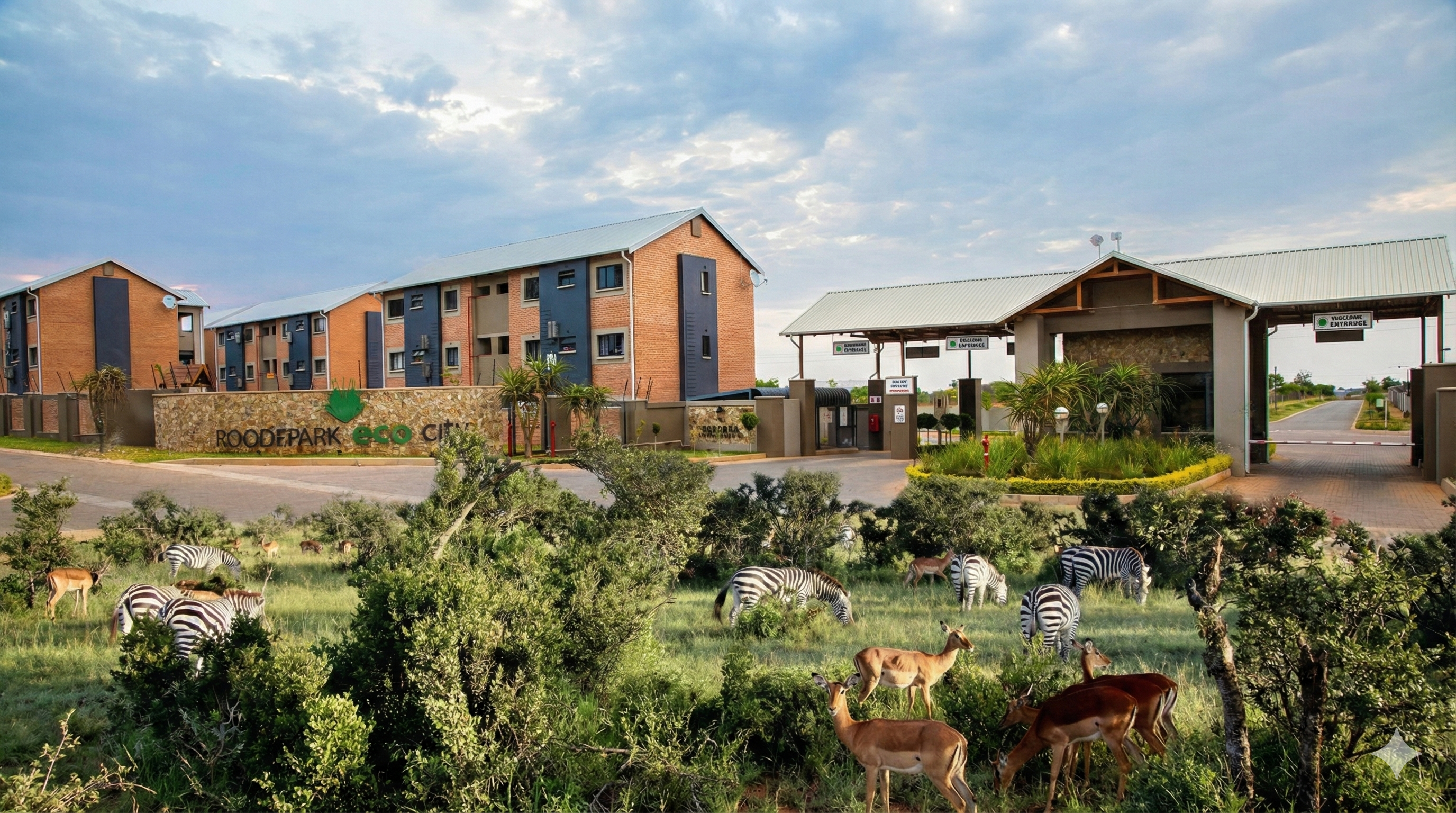
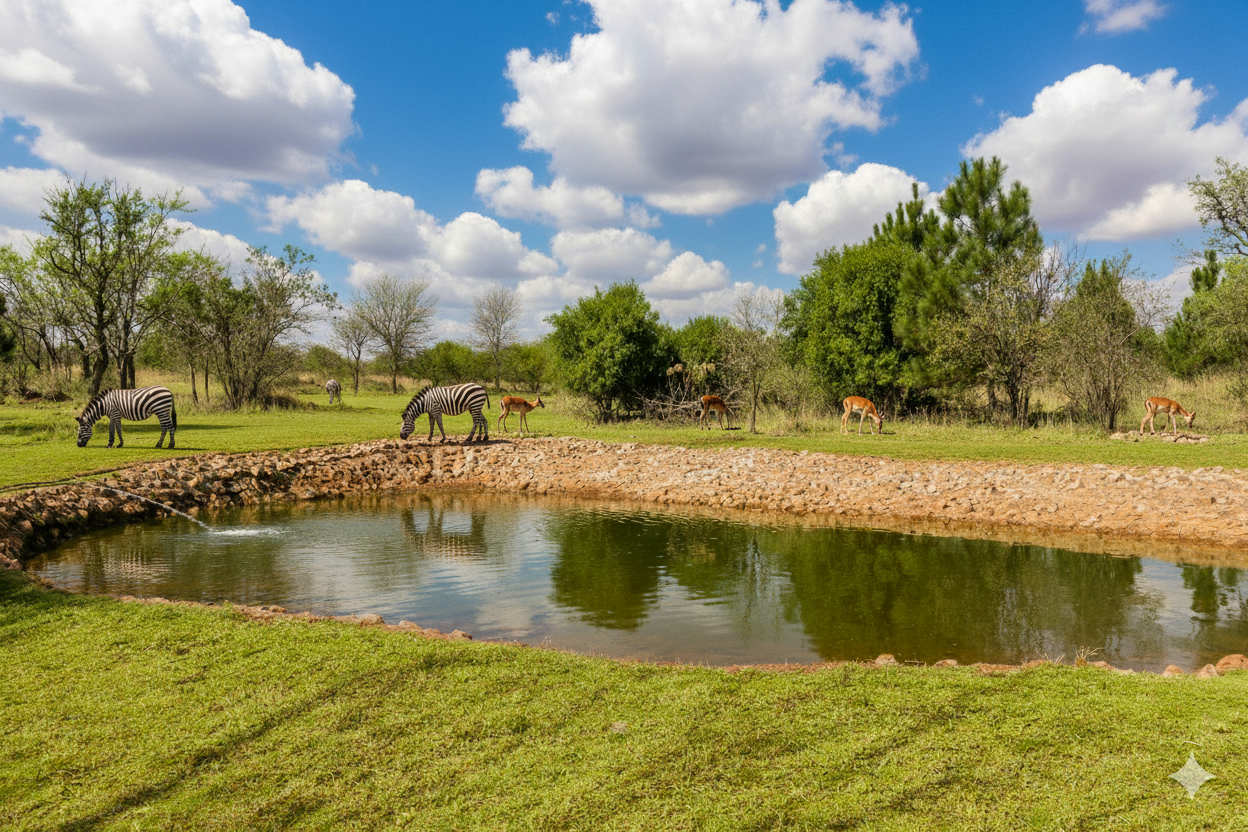
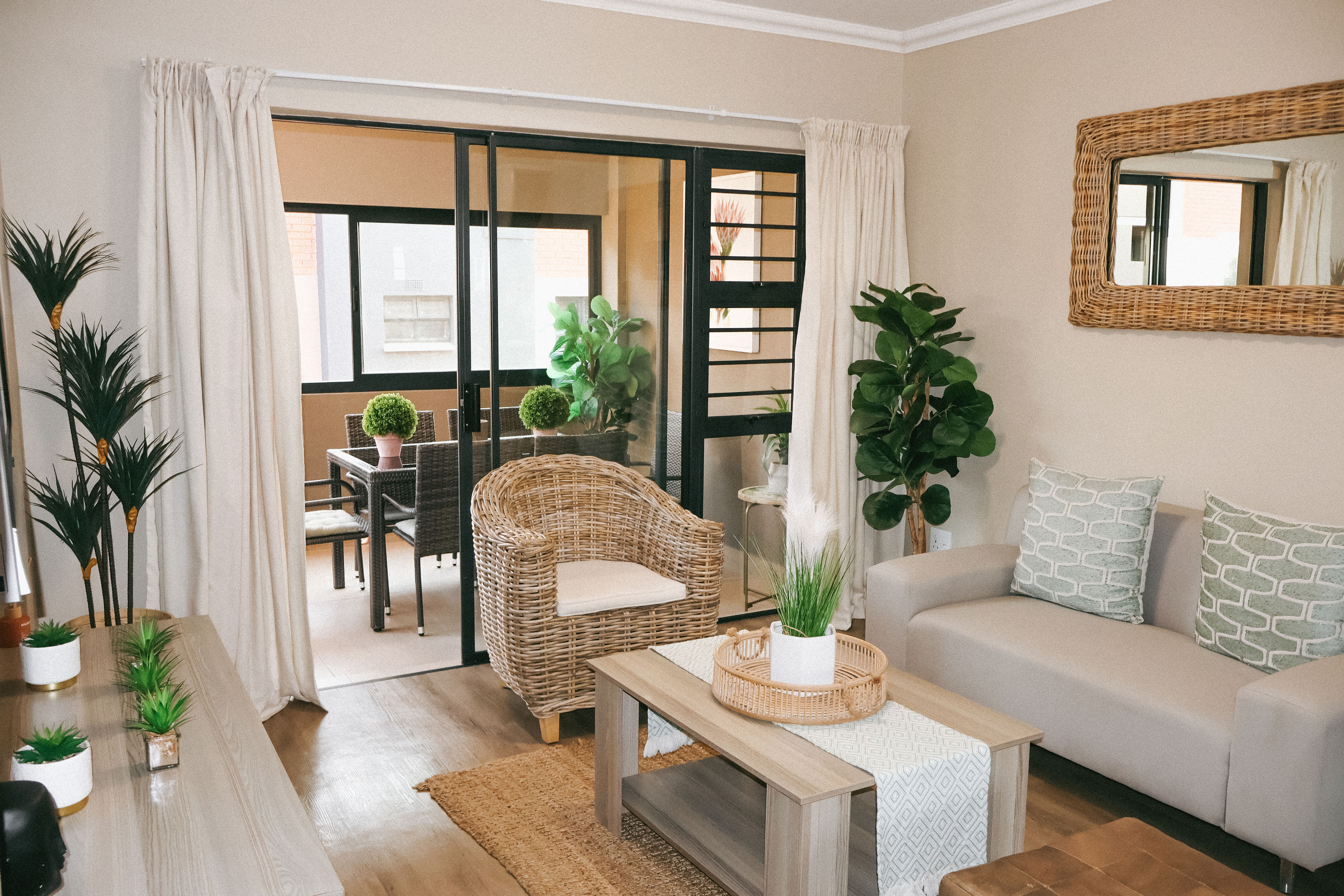
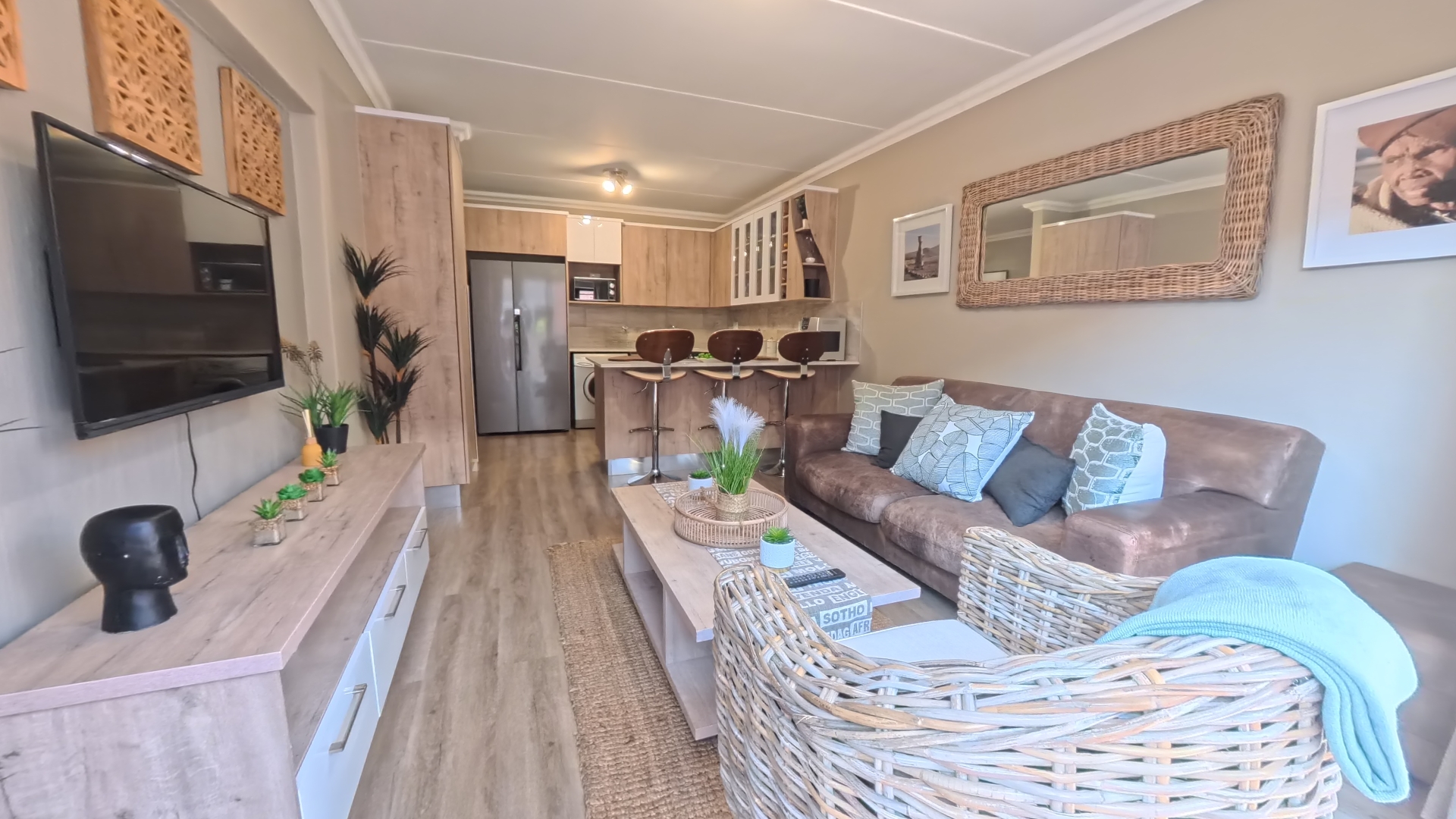
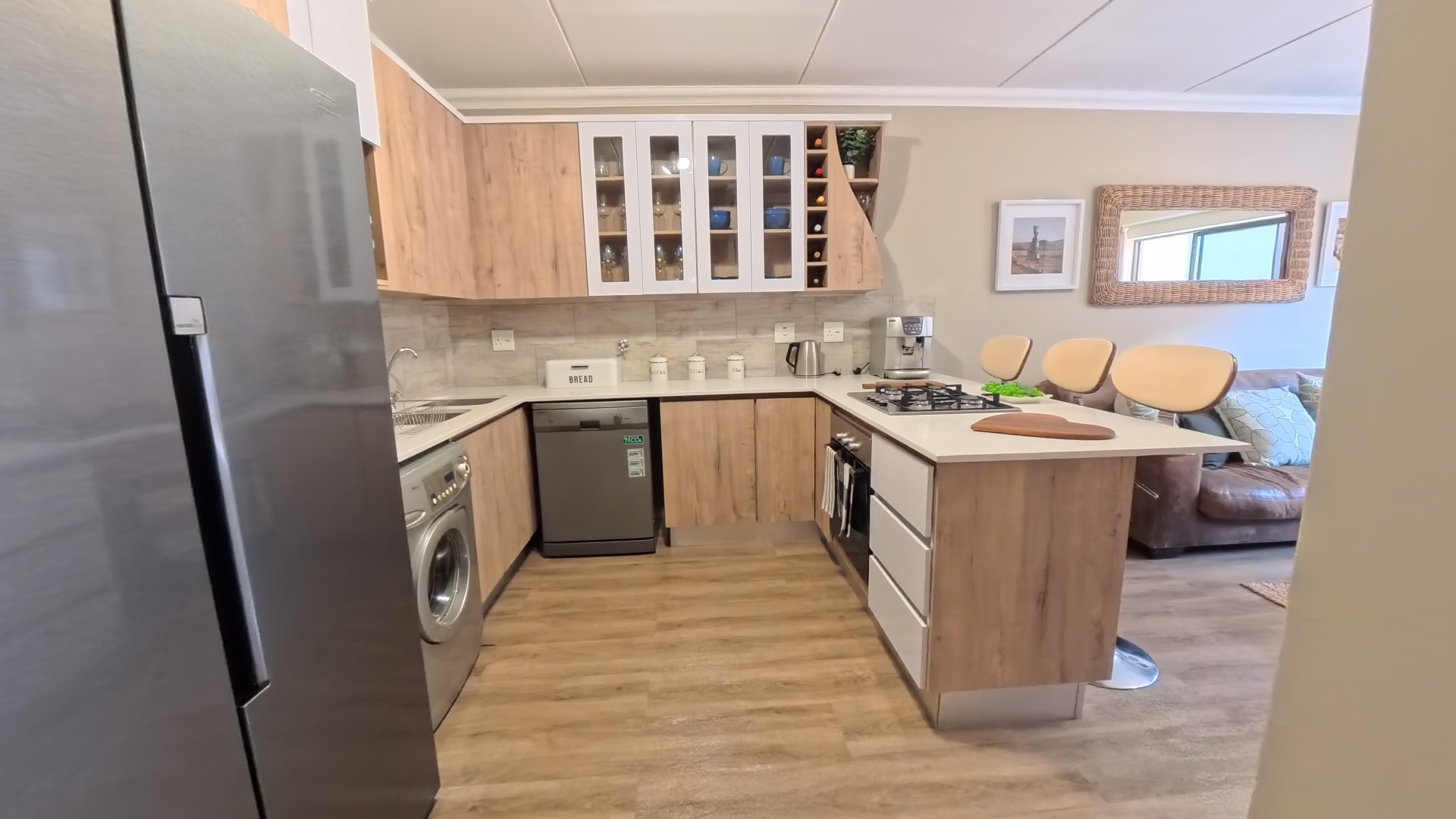
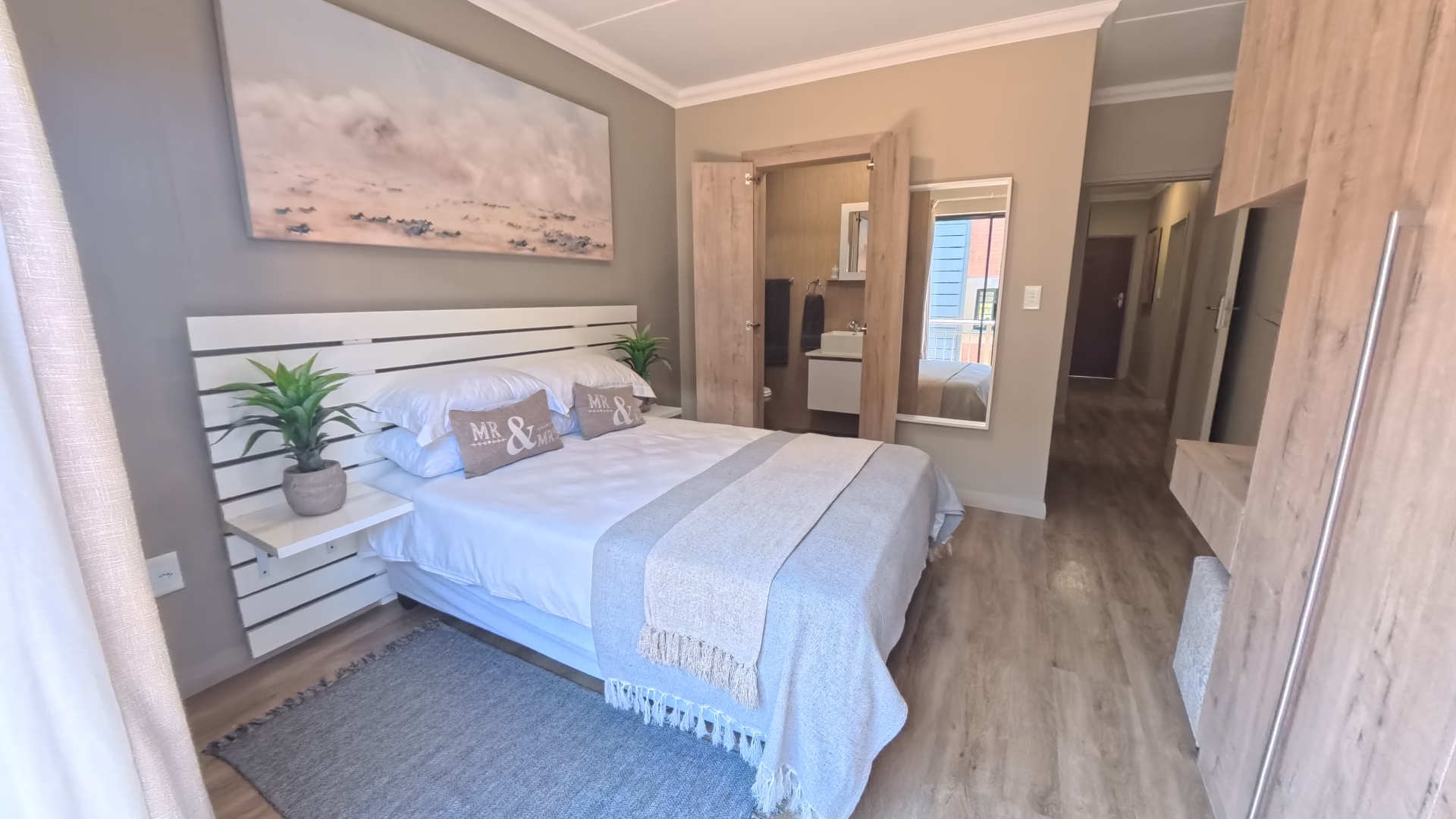
2 Bed + Study
3 Bed
Family Home