Is property still a good investment in South Africa? What the 2026 numbers say
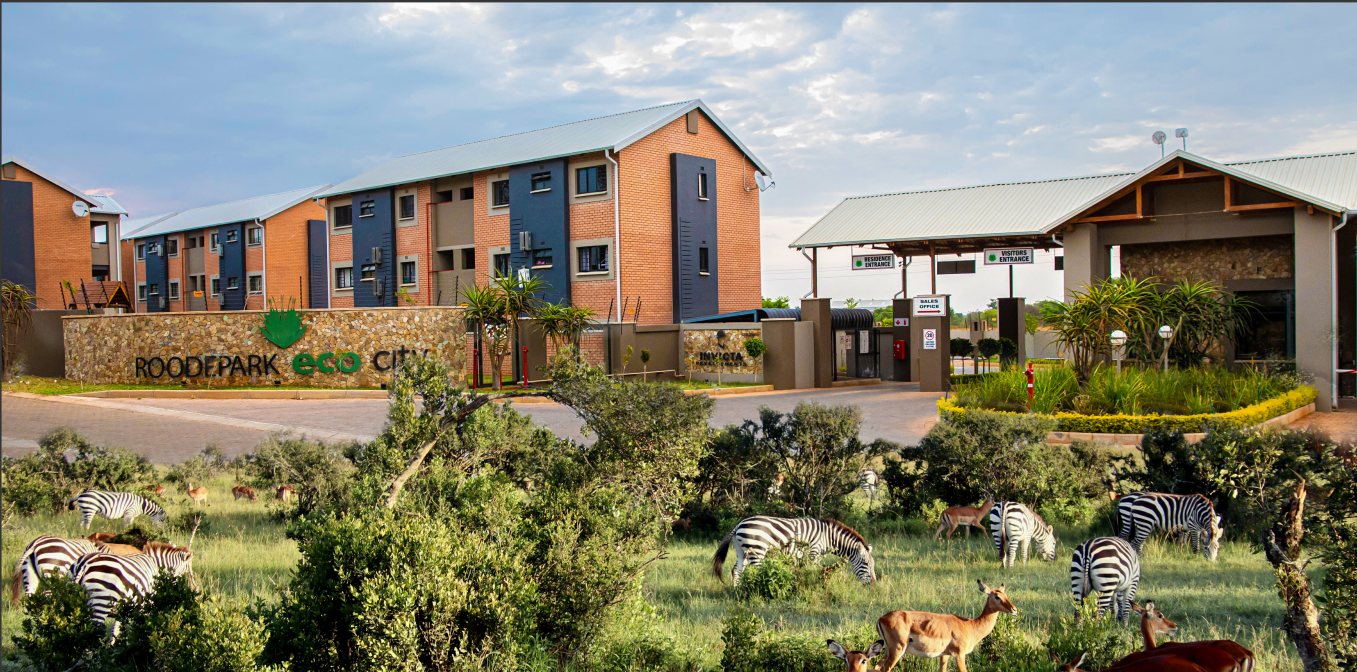
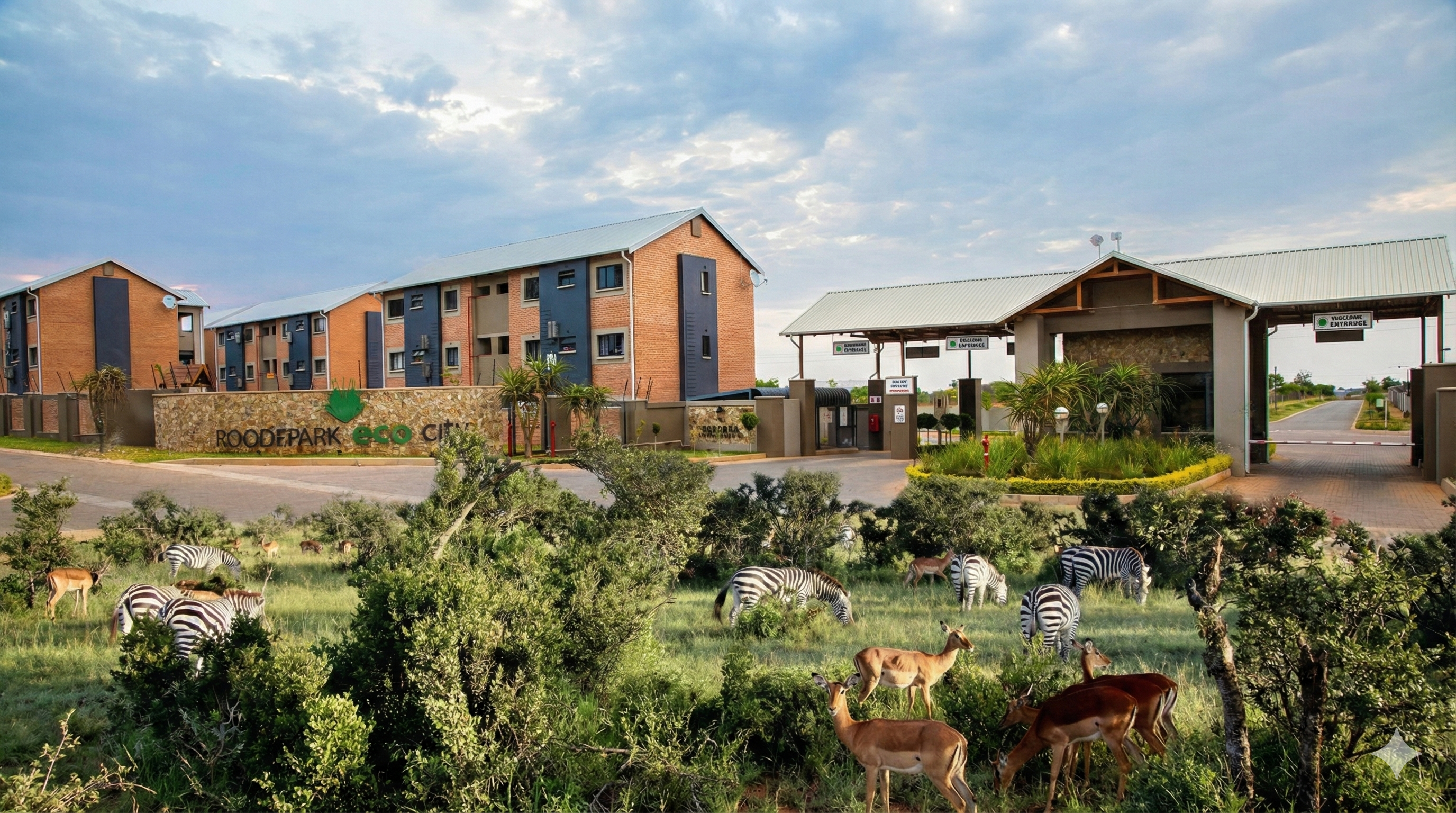
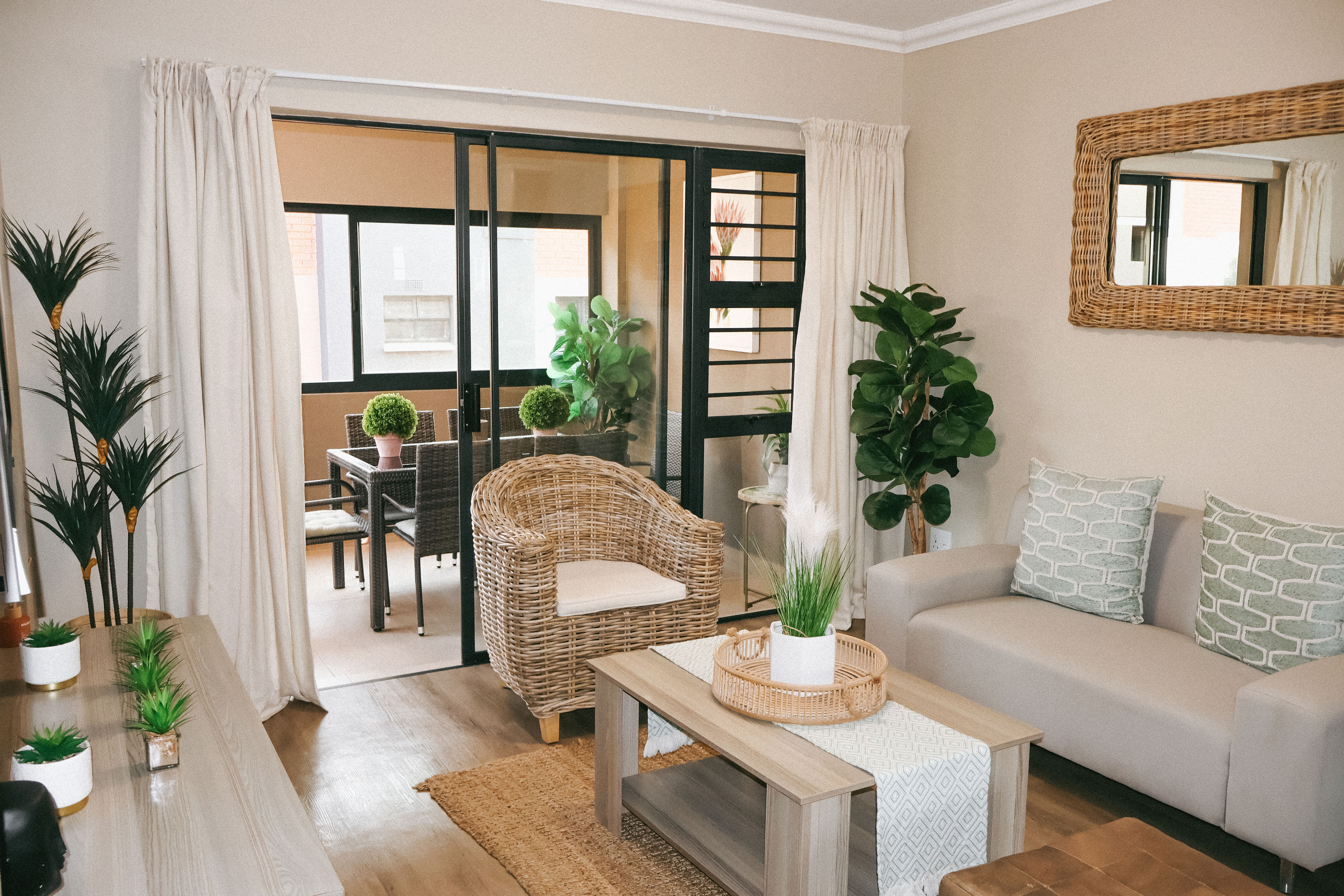
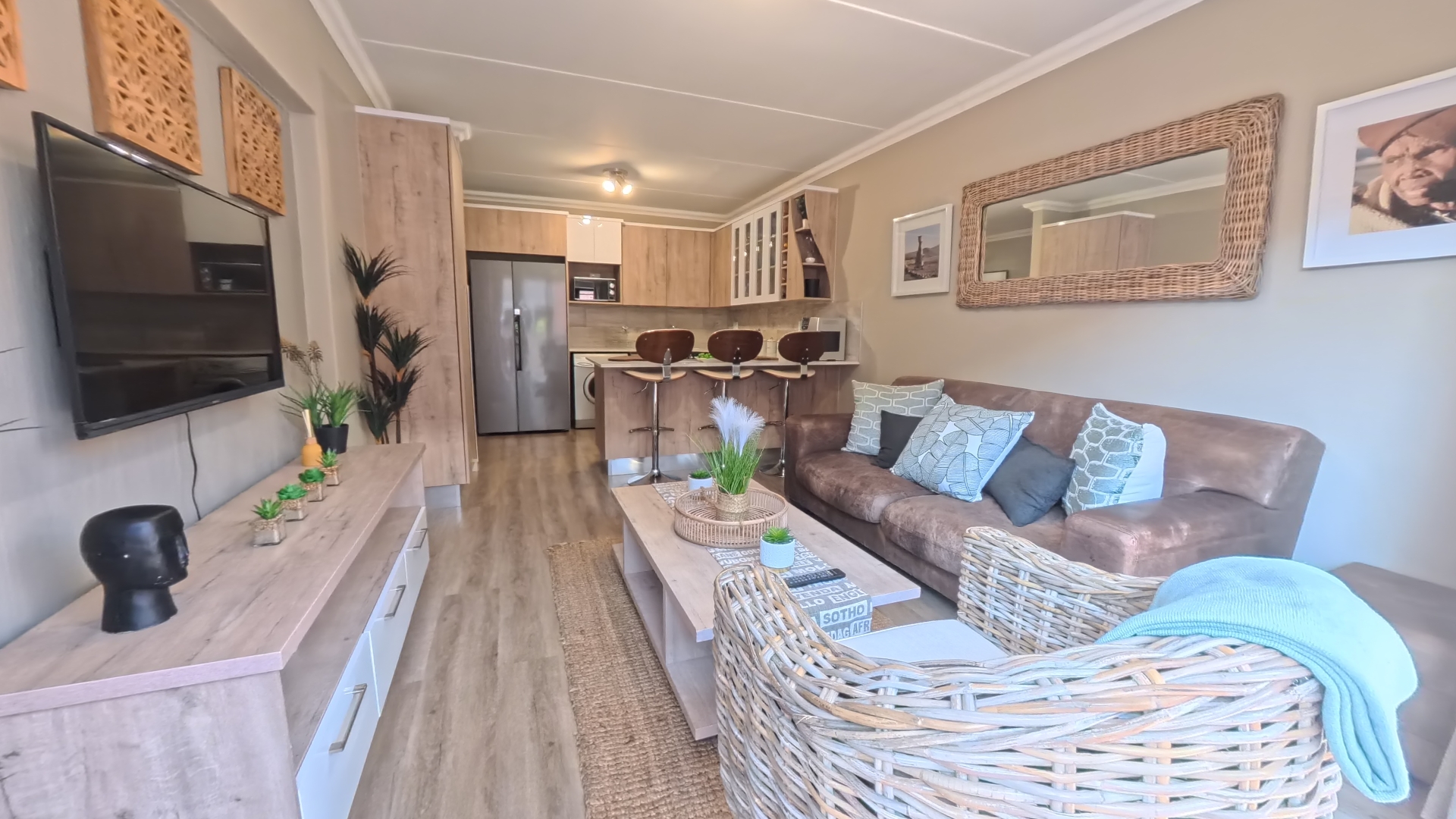
Is Property a Good Investment in South Africa — practical insight for first-time buyers, with Roodepark Eco City 2 homes from R1 249 000 all-inclusive.
Roodepark Eco City 2 from R1 249 000 all-inclusive
By Billy Janse van Rensburg — Invicta Property Development · Published 2026-07-14 · Updated 2026-10-01
Absa's Homeowner Sentiment Index has 72% of South Africans positive about buying property, yet rental escalations are cooling — so here is the honest 2026 scoreboard, line by line. I develop and sell townhouses, so I am the last person to give you a neutral yes — here is the evidence instead. Every claim below carries a number, every number carries a named source or a stated assumption, and the case against buying gets the same space as the case for it. The verdict is scored, not sold.
The honest scoreboard, up front
My answer is a conditional yes: South African residential property still works in 2026 when it is bought as an income-and-gearing deal, and it fails when it is bought as a price-growth bet. The rest of this post is the working behind that sentence, written in the same register as my honest answer on whether Montana, Pretoria is a good place to live.
For: 72% of South Africans are positive about buying, 83% of tenants are in good standing, and sectional-title gross yields sit near 10.79%. Against: rental escalations cooled from 4.87% to 4.29% inside two quarters, about 3.7% of tenancies carry a non-paying tenant, and at an honest 4% a year, price growth on its own does not carry a deal.
The sentiment and tenant numbers are Absa's and TPN's, dated where they appear. The deal numbers are this site's live calculator defaults as at 1 October 2026, run on a real R1,249,000 unit: model outputs on stated assumptions, not promises.
What the sentiment and ownership data say
Start with mood, because mood is what most 2026 commentary actually measures. Absa's Homeowner Sentiment Index for Q1 2024 found 72% of South Africans positive about buying property, and the striking movement inside that number was women's sentiment, which shifted markedly upward, with security, long-term value and income generation the reasons respondents gave. South Africans have not given up on bricks.
The ownership data is harder evidence, because deeds registrations are facts while sentiment is a survey. Lightstone's numbers show sole female buyers rising from around 30% of purchases in 2014 to around 39% in 2025, and roughly 69% of South African residential properties are now solely or jointly owned by women. Ownership is broadening, and a broadening buyer base supports demand and resale liquidity over time.
Score it honestly, though: sentiment pays no bond. A 72% positive reading does not move a single instalment, and surveys tend to follow the market rather than lead it. I count the Lightstone ownership trend as real evidence for property, and the sentiment index as background music.
Yields and escalations: the cooling, in numbers
The income case first. TPN's Residential Rental Monitor for Q2 2024 put 83% of tenants in good standing and sectional-title gross yields at about 10.79%, the strongest of the property types it tracks. Our own live default, R10,900 a month against a R1,249,000 unit, works out to just under 10.5% gross, so the national figure is close to what this market actually rents at. A tenant weighing the other side of that arithmetic can run it on the rent vs buy calculator.
Now the cooling, plainly: the same TPN monitor shows rental escalations slowing from 4.87% in Q1 2024 to 4.29% in Q2 2024. That is pricing power softening, and anyone modelling 2026 rent increases as if landlords set them freely is modelling a market that no longer exists.
TPN's squat index adds the tail risk: around 3.7% of tenancies sit with non-paying tenants. Roughly one letting in twenty-seven going badly wrong is no reason to avoid property, and it is every reason to budget for it before it happens.
What 4% growth actually compounds to
Run the growth line on its own and watch it disappoint. At an honest 4% a year, a R1,249,000 unit reaches R1,848,825 by year 10 and R2,736,713 by year 20. That means the sticker price takes a decade to add roughly 48% and two decades to slightly better than double, while your costs inflate alongside it, which is why price growth alone will not carry a deal at conservative assumptions.
The returns that build the multiples in the next section come from three places working together: rental income compounding at the escalation rate, gearing concentrating the outcome onto a small deposit, and the tax treatment of the costs along the way. Growth is the smallest engine in the room, and the scoreboard treats it that way.
In fairness to the growth line, 4% is a deliberately cautious default. New stock in Pretoria North could beat it, and nobody can promise it will. The test I apply to any pitch, including my own: if a deal only works at 8% growth, it does not work.
The four ways one deal can run, scored
Assumptions first, printed in full: rent of R10,900 a month escalating at 7%, running costs inflating at 5%, price growth of 4%, tax at 27%, and an assumed 10.75% interest rate that is unconfirmed and subject to your bank's actual quote. The unit is a live R1,249,000 sectional-title plan at Roodepark Eco Estate in Montana, Pretoria, where the developer pays the transfer duty, bond registration and legal costs, so the money-in figures below are clean. One honest wrinkle: the 7% escalation default sits above the 4.29% TPN just printed; cut it in the calculator and watch the multiples compress.
One unit for cash: R1,249,000 in, wealth created of R1,573,308 by year 10 (1.26 times the money in) and R4,461,905 by year 20 (3.57 times). One unit on a bond, with a 20% deposit of R249,800: a top-up of about R2,023 a month in year one, then R870,944 by year 10 (3.49 times the money in) and R3,414,062 by year 20 (13.67 times).
Five units for cash: R6,245,000 in, R8,330,231 by year 10 (1.33 times), plus a Section 13sex allowance worth R171,738 a year once five or more new units are let, on SARS's conditions and with your tax practitioner's sign-off. Five units on bonds: R1,249,000 of deposits in, R4,818,413 by year 10 (3.86 times) and R17,997,695 by year 20 (14.41 times).
Read the pattern, because it is the whole verdict: gearing multiplies the multiple, and it multiplies the monthly obligation in the same motion. The top-up is the price of the multiple, and the 13.67 times is bought with twenty years of standing good for the bond through every vacancy. They are computed outcomes on stated assumptions, nothing more.
Who should not buy an investment property in 2026
Every verdict on this site closes the same way, and this one needs it more than most. Do not buy an investment property if you have no emergency fund; a geyser failure and a vacant month arriving together will end the experiment inside a year. Do not buy if you might need the money liquid within about five years; property charges you on the way in and again on the way out, and it does not care about your timing.
Do not buy if your income cannot carry the bond through a two-to-three month vacancy, because the debit order runs whether the unit is let or not. Do not buy if you want zero admin; a managing agent thins the workload and still leaves you owning every decision that costs money. And do not buy on price-growth hope alone; that is the one strategy the scoreboard above scores a clear no.
If none of those describe you, score your own version on the live property investment calculator with your tax rate and your rent assumption. The verdict that matters is the one computed on your numbers, and I would rather lose a sale to that page than win one against it.
Invicta Roodepark Eco City 2 blog: Is property still a good investment in South Africa? What the 2026 numbers say. Absa's Homeowner Sentiment Index has 72% of South Africans positive about buying property, yet rental escalations are cooling — so here is the honest 2026 scoreboard, line by line. I develop and sell townhouses, so I am the last person to give you a neutral yes — here is the evidence instead. Every claim below carries a number, every number carries a named source or a stated assumption, and the case against buying gets the same space as the case for it. The verdict is scored, not sold. The honest scoreboard, up front: My answer is a conditional yes: South African residential property still works in 2026 when it is bought as an income-and-gearing deal, and it fails when it is bought as a price-growth bet. The rest of this post is the working behind that sentence, written in the same register as my honest answer on whether Montana, Pretoria is a good place to live.
For: 72% of South Africans are positive about buying, 83% of tenants are in good standing, and sectional-title gross yields sit near 10.79%. Against: rental escalations cooled from 4.87% to 4.29% inside two quarters, about 3.7% of tenancies carry a non-paying tenant, and at an honest 4% a year, price growth on its own does not carry a deal.
The sentiment and tenant numbers are Absa's and TPN's, dated where they appear. The deal numbers are this site's live calculator defaults as at 1 October 2026, run on a real R1,249,000 unit: model outputs on stated assumptions, not promises. What the sentiment and ownership data say: Start with mood, because mood is what most 2026 commentary actually measures. Absa's Homeowner Sentiment Index for Q1 2024 found 72% of South Africans positive about buying property, and the striking movement inside that number was women's sentiment, which shifted markedly upward, with security, long-term value and income generation the reasons respondents gave. South Africans have not given up on bricks.
The ownership data is harder evidence, because deeds registrations are facts while sentiment is a survey. Lightstone's numbers show sole female buyers rising from around 30% of purchases in 2014 to around 39% in 2025, and roughly 69% of South African residential properties are now solely or jointly owned by women. Ownership is broadening, and a broadening buyer base supports demand and resale liquidity over time.
Score it honestly, though: sentiment pays no bond. A 72% positive reading does not move a single instalment, and surveys tend to follow the market rather than lead it. I count the Lightstone ownership trend as real evidence for property, and the sentiment index as background music. Yields and escalations: the cooling, in numbers: The income case first. TPN's Residential Rental Monitor for Q2 2024 put 83% of tenants in good standing and sectional-title gross yields at about 10.79%, the strongest of the property types it tracks. Our own live default, R10,900 a month against a R1,249,000 unit, works out to just under 10.5% gross, so the national figure is close to what this market actually rents at. A tenant weighing the other side of that arithmetic can run it on the rent vs buy calculator.
Now the cooling, plainly: the same TPN monitor shows rental escalations slowing from 4.87% in Q1 2024 to 4.29% in Q2 2024. That is pricing power softening, and anyone modelling 2026 rent increases as if landlords set them freely is modelling a market that no longer exists.
TPN's squat index adds the tail risk: around 3.7% of tenancies sit with non-paying tenants. Roughly one letting in twenty-seven going badly wrong is no reason to avoid property, and it is every reason to budget for it before it happens. What 4% growth actually compounds to: Run the growth line on its own and watch it disappoint. At an honest 4% a year, a R1,249,000 unit reaches R1,848,825 by year 10 and R2,736,713 by year 20. That means the sticker price takes a decade to add roughly 48% and two decades to slightly better than double, while your costs inflate alongside it, which is why price growth alone will not carry a deal at conservative assumptions.
The returns that build the multiples in the next section come from three places working together: rental income compounding at the escalation rate, gearing concentrating the outcome onto a small deposit, and the tax treatment of the costs along the way. Growth is the smallest engine in the room, and the scoreboard treats it that way.
In fairness to the growth line, 4% is a deliberately cautious default. New stock in Pretoria North could beat it, and nobody can promise it will. The test I apply to any pitch, including my own: if a deal only works at 8% growth, it does not work. The four ways one deal can run, scored: Assumptions first, printed in full: rent of R10,900 a month escalating at 7%, running costs inflating at 5%, price growth of 4%, tax at 27%, and an assumed 10.75% interest rate that is unconfirmed and subject to your bank's actual quote. The unit is a live R1,249,000 sectional-title plan at Roodepark Eco Estate in Montana, Pretoria, where the developer pays the transfer duty, bond registration and legal costs, so the money-in figures below are clean. One honest wrinkle: the 7% escalation default sits above the 4.29% TPN just printed; cut it in the calculator and watch the multiples compress.
One unit for cash: R1,249,000 in, wealth created of R1,573,308 by year 10 (1.26 times the money in) and R4,461,905 by year 20 (3.57 times). One unit on a bond, with a 20% deposit of R249,800: a top-up of about R2,023 a month in year one, then R870,944 by year 10 (3.49 times the money in) and R3,414,062 by year 20 (13.67 times).
Five units for cash: R6,245,000 in, R8,330,231 by year 10 (1.33 times), plus a Section 13sex allowance worth R171,738 a year once five or more new units are let, on SARS's conditions and with your tax practitioner's sign-off. Five units on bonds: R1,249,000 of deposits in, R4,818,413 by year 10 (3.86 times) and R17,997,695 by year 20 (14.41 times).
Read the pattern, because it is the whole verdict: gearing multiplies the multiple, and it multiplies the monthly obligation in the same motion. The top-up is the price of the multiple, and the 13.67 times is bought with twenty years of standing good for the bond through every vacancy. They are computed outcomes on stated assumptions, nothing more. Who should not buy an investment property in 2026: Every verdict on this site closes the same way, and this one needs it more than most. Do not buy an investment property if you have no emergency fund; a geyser failure and a vacant month arriving together will end the experiment inside a year. Do not buy if you might need the money liquid within about five years; property charges you on the way in and again on the way out, and it does not care about your timing.
Do not buy if your income cannot carry the bond through a two-to-three month vacancy, because the debit order runs whether the unit is let or not. Do not buy if you want zero admin; a managing agent thins the workload and still leaves you owning every decision that costs money. And do not buy on price-growth hope alone; that is the one strategy the scoreboard above scores a clear no.
If none of those describe you, score your own version on the live property investment calculator with your tax rate and your rent assumption. The verdict that matters is the one computed on your numbers, and I would rather lose a sale to that page than win one against it. Homes from R1 249 000 all-inclusive, no transfer duty. Contact: 063 600 3905. Official site: https://www.invictaproperties.co.za/.